Peanut Butter
Peanut butter is a simple, calorie-dense food made mainly from roasted peanuts. In a sports nutrition context, it is usually used as an easy source of energy, fats and some protein, rather than as a “diet” product or a direct muscle-building supplement. That distinction matters.
A good peanut butter can fit well into a fitness diet when You need a practical way to increase calories, improve the taste of meals, or make snacks more filling. It works especially well with oats, rice cakes, protein pancakes, smoothies, yoghurt or fruit. For people trying to gain weight or maintain high training volume, one or two spoonfuls can make a meal easier to finish without adding much food volume.
When peanut butter makes sense
- For adding calories: useful when You struggle to eat enough during a muscle-gain phase.
- For satiety: the fat content can make meals more filling, which may help some people stay consistent with their plan.
- For better taste: a small amount can improve otherwise plain meals like oats, pancakes or shakes.
- For convenience: it stores easily, travels well and does not require cooking.
When it is not the right solution
Peanut butter is not a magic fitness food. It is easy to overeat because it is tasty and energy-dense. If Your main goal is fat loss, it can still be included, but the portion size matters. A large spoonful can quickly add significant calories, even if the product is “natural”.
It is also not the best choice if You are looking for a high-protein product. Peanuts contain protein, but peanut butter is primarily a fat-and-calorie source. If Your main problem is low daily protein intake, a protein powder, high-protein food or another leaner protein source may be more practical.
How to choose peanut butter
The best option depends on how You plan to use it. For everyday meals, look first at the ingredient list, not the front label. In many cases, the simplest products are the most useful.
- Ingredients: ideally peanuts only, or peanuts with a small amount of salt.
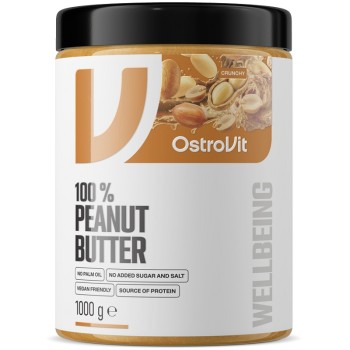
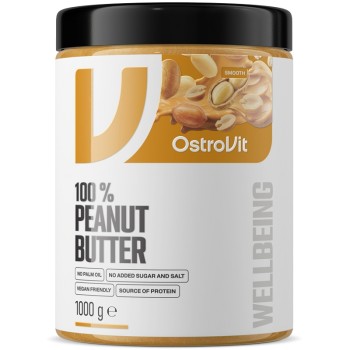
- Texture: smooth is easier for shakes and spreads; crunchy is better if You prefer more bite.
- Added sugar: not always a problem, but it should be intentional, not hidden.
- Added oils: palm oil or hydrogenated fats are often used for texture, but they are not necessary in a basic peanut butter.
- Flavoured versions: useful for taste, but check calories, sweeteners and added ingredients.
Red flags before buying
- Marketing that presents peanut butter as a fat-burning food.
- Very sweet products sold as “healthy” without clear nutrition information.
- Unclear ingredient lists or excessive added oils.
- Expecting it to replace a balanced meal plan or proper protein intake.
If You enjoy peanut butter and can control the portion, it can be a useful addition to Your diet. Choose a product that matches Your goal: simpler formulas for everyday use, flavoured options for variety, and smaller portions when calories need to be managed carefully.