Fraud Blocker
Navigation
Navigation
Filter
Your Cart

Protein Bars

Stock: In Stock
Applied Nutrition Protein Crunch Bar is a protein bar with a soft caramel center, coated in Belgian chocolate.Applied Nutrition Applied Protein B..
Price
Regular 3.49€
Promo 2.10€ -40%
Wholesale 1.34€ -62%
Add to Cart
Dymatize Elite Layer Bar, 1x60 Grams
Bestseller -40%
Stock: In Stock
Dymatize Elite Layer Bar crispy wafer with high protein content.Dymatize Elite Layer Bar is a crispy protein wafer with high protein content and low s..
Price
Regular 4.15€
Promo 2.50€ -40%
Wholesale 1.70€ -59%
Add to Cart
Stock: In Stock
Dymatize Super Mass Gainer Bar are energy protein bars. Dymatize Super Mass Gainer Bar are energy protein bars that contain whey protein and carbohyd..
Price
Regular 4.48€
Promo 2.70€ -40%
Wholesale 1.88€ -58%
Add to Cart
Stock: In Stock
Price
Regular 4.40€
Promo 2.65€ -40%
Wholesale 1.73€ -61%
Add to Cart
Stock: In Stock
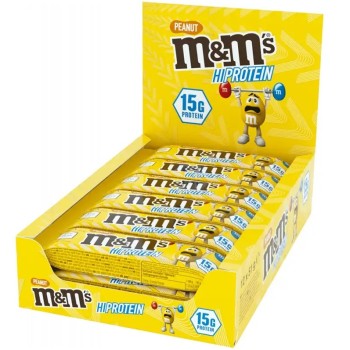
Mars Protein M&M's Protein Peanut Bar is a delicious protein bar with the taste of M&M's. Mars Protein M&M's.Protein Peanut Ba..
Price
Regular 4.15€
Promo 2.50€ -40%
Wholesale 1.63€ -61%
Add to Cart
Stock: In Stock
Price
Regular 4.37€
Promo 2.63€ -40%
Wholesale 1.72€ -61%
Add to Cart
Stock: In Stock
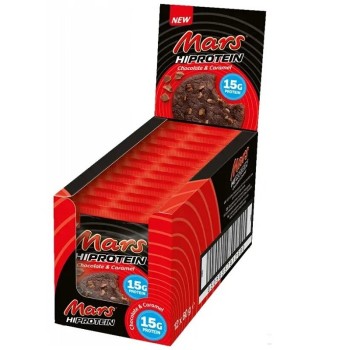
The Mars Hi Protein Chocolate & Caramel Cookie is a high-protein cookie featuring chocolate and caramel.Enjoy a rich chocolate cookie with a soft ..
Price
Regular 3.30€
Promo 1.99€ -40%
Wholesale 1.26€ -62%
Add to Cart
Stock: In Stock
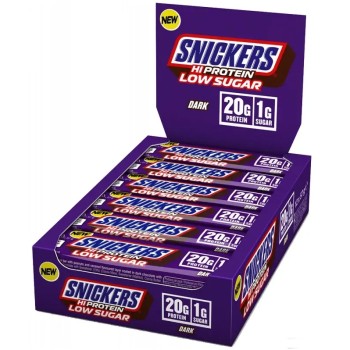
Mars Protein Snickers Dark Low Sugar High Protein Bar – dark chocolate flavor with crunchy roasted peanuts and caramel.The familiar Snickers ple..
Price
Regular 4.15€
Promo 2.50€ -40%
Wholesale 1.63€ -61%
Add to Cart
Stock: In Stock
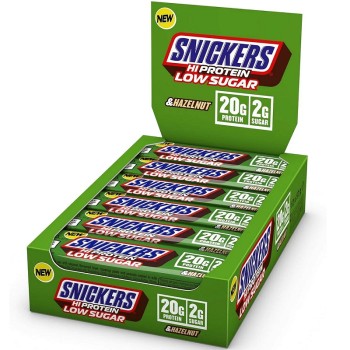
Mars Protein Snickers Hazelnut Low Sugar High Protein Bar – hazelnut flavor with low sugar content.The favorite Snickers flavor gets a new prote..
Price
Regular 4.15€
Promo 2.50€ -40%
Wholesale 1.63€ -61%
Add to Cart
Stock: In Stock
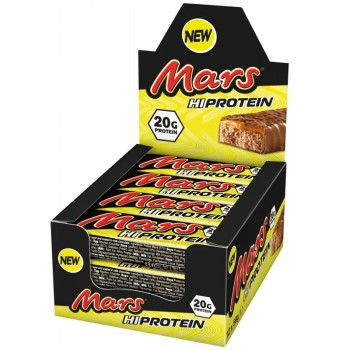
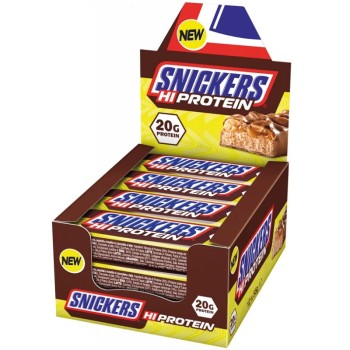
Mars Protein Snickers High Protein Bar — The legendary taste, enriched with 20g of protein. Enjoy the familiar, classic Snickers taste without c..
Price
Regular 4.15€
Promo 2.50€ -40%
Wholesale 1.62€ -61%
Add to Cart
Stock: In Stock
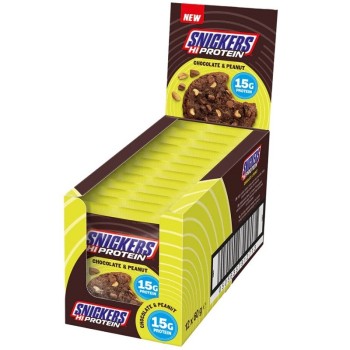
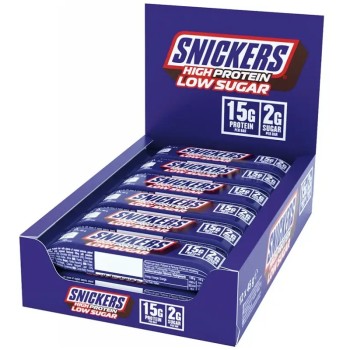
Mars Protein Snickers High Protein Cookie is a protein chocolate cookie.Mars Protein Snickers High Protein Cookie combines the unique taste of Snicker..
Price
Regular 3.30€
Promo 1.99€ -40%
Wholesale 1.26€ -62%
Add to Cart
Stock: In Stock
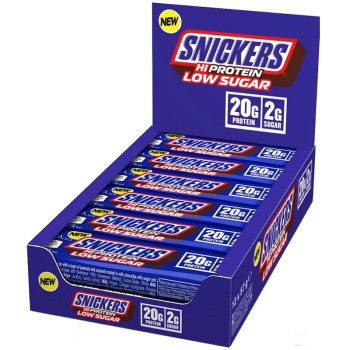
Mars Protein Snickers High Protein Low Sugar Bar – The classic Snickers taste, transformed for your fitness goals!Love the iconic taste of caram..
Price
Regular 3.30€
Promo 1.99€ -40%
Wholesale 1.28€ -61%
Add to Cart
Stock: In Stock
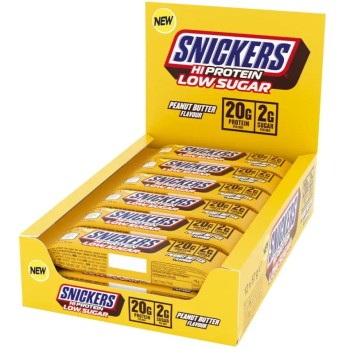
Mars Protein Snickers Low Sugar High Protein Bar is a protein bar that contains milk chocolate, roasted peanuts and a caramel layer.Mars Protein Snick..
Price
Regular 4.15€
Promo 2.50€ -40%
Wholesale 1.63€ -61%
Add to Cart
Stock: In Stock
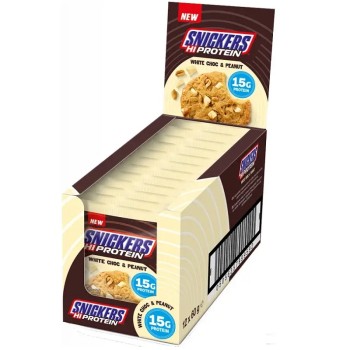
Mars Protein Snickers Peanut Butter Low Sugar High Protein Bar - peanut, peanut butter, caramel and chocolate flavor.The favorite SNICKERS flavor now ..
Price
Regular 4.15€
Promo 2.50€ -40%
Wholesale 1.63€ -61%
Add to Cart
Stock: In Stock
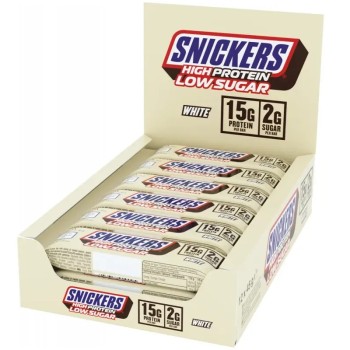
Mars Protein Snickers White High Protein Cookie – A juicy protein cookie with white chocolate and crunchy peanuts!Are you a fan of white chocola..
Price
Regular 3.30€
Promo 1.99€ -40%
Wholesale 1.26€ -62%
Add to Cart
Stock: In Stock
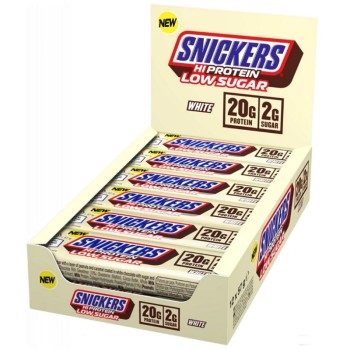
Mars Protein Snickers White High Protein Low Sugar Bar is a protein bar that contains milk protein, roasted peanuts, caramel layer and white chocolate..
Price
Regular 3.30€
Promo 1.99€ -40%
Wholesale 1.28€ -61%
Add to Cart
Stock: In Stock
Mars Protein Snickers White Low Sugar High Protein Bar – The legend returns, cleaner and whiter than ever!Do you love the classic Snickers but s..
Price
Regular 4.15€
Promo 2.50€ -40%
Wholesale 1.63€ -61%
Add to Cart
Stock: In Stock
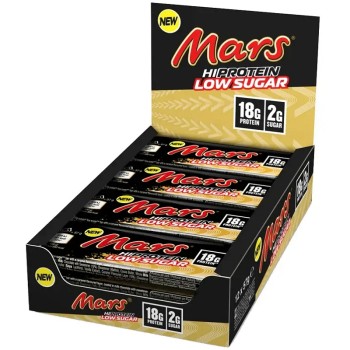
OstroVit The Bar is a protein bar that is a source of energy. OstroVit The Bar contains proteins, carbohydrates, and fats in an optimal r..
Price
Regular 3.30€
Promo 1.99€ -40%
Wholesale 1.18€ -64%
Add to Cart
Stock: Out Of Stock
The Mars Protein Low Sugar High Protein Bar is a chocolate and caramel-flavored protein bar.It combines the iconic Mars taste with a more balanced nut..
Price
Regular 4.15€
Promo 2.50€ -40%
Wholesale 1.63€ -61%
Out Of Stock
Stock: Out Of Stock
Nutrend Deluxe Protein Bar 30% is an amazing protein bar with high protein content, gluten-free, low in sugar, and high in pure whey protein. Nutrend..
Price
Regular 2.47€
Promo 1.49€ -40%
Wholesale 0.97€ -61%
Out Of Stock
Showing 1 to 20 of 20 (1 Pages)

Protein Bars: convenient protein, not a shortcut around nutrition

Protein bars are ready-to-eat snacks designed to provide a higher amount of protein than a regular chocolate bar, biscuit or cereal snack. They can be useful when You need something practical between meals, after training, during travel, at work or when a full meal is not available.

The important detail is this: a protein bar is still a food product with calories, sweeteners, fats, carbohydrates and texture ingredients. Some bars are close to a high-protein snack. Others are closer to a dessert with added protein. Both can have a place, but they are not the same choice.

If You are choosing protein bars only because the packaging says “fitness”, “low sugar” or “high protein”, it is worth looking at the label more carefully. The best bar for You depends on Your goal, daily protein intake, calorie target, digestion, taste preference and how often You plan to use it.

When protein bars make sense

Protein bars can be a practical option when convenience is the main problem. They do not require mixing, refrigeration in most cases, preparation or cutlery. That makes them useful in situations where the alternative would be skipping food completely or buying a random pastry, chocolate bar or fast-food snack.

They may make sense if:

  • You train regularly and struggle to reach Your daily protein target from meals alone.
  • You need a portable snack for work, university, travel or long days outside.
  • You want a more controlled alternative to sweets, especially when cravings appear between meals.
  • You are in a calorie-controlled diet and prefer pre-portioned snacks instead of estimating portions.
  • You want a quick option after training, but You cannot eat a proper meal soon.
  • You prefer solid food over protein shakes in some situations.

A good practical benchmark is to compare the bar with the food it replaces. If it replaces a candy bar, a sweet pastry or a snack with very little protein, it can be a better choice. If it replaces a balanced meal with lean protein, vegetables, complex carbohydrates and healthy fats, it is usually a compromise.

When a protein bar is not the right solution

Protein bars are helpful only when they solve a real problem. They are not necessary for everyone, and eating more of them does not automatically improve body composition or performance.

A protein bar is probably not the right solution if:

  • You already get enough protein from regular meals and simply add bars on top of Your usual calories.
  • You expect the bar to cause fat loss by itself. Fat loss still depends mainly on energy balance, food choices, activity and consistency.
  • You use bars as a replacement for most meals instead of building a sustainable diet.
  • You have digestive discomfort from sugar alcohols, high fiber blends or certain protein sources.
  • You choose bars because they look “clean”, but do not check calories, sugar, fat and portion size.
  • You treat them as unlimited snacks because they contain protein.

One common mistake is eating a protein bar as an “extra healthy snack” after a full meal. If the bar contains 200-300 calories, that still counts. Protein helps with satiety and muscle protein needs, but it does not make calories disappear.

Types of protein bars

Not all protein bars are built for the same purpose. The differences are usually in protein amount, carbohydrate content, sweeteners, fiber, fats, coating, texture and total calories.

High-protein bars

These usually provide a more meaningful amount of protein per serving and are often chosen by people who train, follow a higher-protein diet or need a filling snack. They can be useful when protein intake is genuinely low during the day.

Look at the protein-to-calorie ratio. A bar with 20 g protein and moderate calories is different from a large dessert-style bar with similar protein but much higher calories.

Low-sugar protein bars

Low-sugar bars often use sweeteners, fibers or sugar alcohols to reduce declared sugar content. This can be useful if You want a sweet taste with less sugar, but it does not automatically mean the bar is low-calorie or easy on digestion.

If You are sensitive to maltitol, sorbitol or similar ingredients, start with one bar and see how You feel. Some people tolerate them well. Others experience bloating or stomach discomfort.

Meal-style protein bars

Some bars are larger and contain more calories, carbohydrates and fats. They are closer to a compact meal replacement than a small snack. These can be useful during travel or long workdays, but they should be judged as a meal-sized food, not as a light snack.

If Your goal is weight control, check whether the bar fits Your daily calorie plan. A bigger bar may be practical, but it is not automatically better.

Plant-based protein bars

Plant-based bars may use pea, rice, soy or mixed plant proteins. They are suitable for people who avoid dairy or prefer vegan options. Texture and amino acid profile can vary more than with dairy-based bars, so blends are often used to improve taste and nutritional balance.

If You choose plant-based bars because of digestion, check the full ingredient list. Some vegan bars are high in fiber, dates, nuts or syrups, which may or may not suit Your goal.

Soft, crunchy and dessert-style bars

Texture matters more than people admit. A bar that looks perfect on paper but tastes unpleasant will probably stay in the cupboard. Soft nougat-style bars, crunchy bars, layered bars and coated dessert-style bars all have different calorie and ingredient profiles.

There is nothing wrong with choosing taste. Just make sure You know whether You are buying a functional snack or a protein dessert.

How to choose a protein bar

The front of the package is marketing. The back of the package is where the useful information is. When comparing protein bars, check the label in this order:

  • Protein per bar: For a protein-focused snack, many shoppers look for around 15-25 g protein per serving. This is a practical range, not a rule.
  • Total calories: A small snack and a meal-sized bar are different choices. Match the calories to Your goal.
  • Protein source: Common options include milk protein, whey protein, soy protein, pea protein, rice protein or blends.
  • Sugar and sweeteners: Low sugar can be useful, but check sugar alcohols and fiber sources if You have sensitive digestion.
  • Fiber: Fiber can improve satiety, but very high fiber in a bar may be uncomfortable for some people.
  • Fat content: Nuts, coatings and fillings improve taste but also increase calories.
  • Portion size: Some bars look similar but differ significantly in weight. Compare per bar, not only per 100 g.
  • Allergens: Milk, soy, gluten, peanuts and tree nuts are common in this category.

If You are choosing bars for daily use, keep the formula simple and predictable. If You want an occasional sweet alternative, taste and texture may matter more. Both approaches are valid, as long as the bar fits the role You expect from it.

Protein bars for fitness goals

For muscle gain, a protein bar may help if it makes it easier to reach Your total daily protein and calorie intake. It will not build muscle without progressive training, enough total food and recovery.

For fat loss, a protein bar may help with portion control and satiety if it replaces a higher-calorie snack. It will not guarantee weight loss if it simply adds calories to the day.

For busy schedules, protein bars can reduce decision fatigue. Having one in Your bag can prevent the typical “I had no time, so I bought whatever was nearby” situation. This is where the category is genuinely practical.

For health-oriented eating, the best choice is not always the bar with the most aggressive claims. A balanced ingredient profile, reasonable calories and good tolerance are more important than dramatic packaging language.

Red flags when buying protein bars

Protein bars are a competitive category, and labels can be persuasive. Be careful with products that rely more on claims than clear nutrition.

  • Very low sugar but very high calories: Low sugar does not mean low calorie.
  • Protein amount looks impressive, but the bar is very large: Compare protein per serving and total calories together.
  • Too many bars per day: If bars replace most real meals, Your diet may become less varied.
  • Unclear serving size: Some packs may contain more than one portion.
  • Digestive issues ignored: Sugar alcohols, fibers and certain proteins can be a problem for some people.
  • “Fitness” branding without useful macros: The design of the wrapper does not make the product suitable for Your goal.
  • Expecting medical or guaranteed results: Protein bars are food products, not treatment and not a guarantee of body composition changes.

How often should You eat protein bars?

There is no universal number. For some people, one bar a few times per week is enough. Others may use one daily because their schedule is difficult. The better question is whether the bar improves Your diet or quietly makes it worse.

If it helps You hit protein targets, control hunger and avoid less useful snacks, it has a clear role. If it becomes an extra dessert after every meal, the benefit is less obvious.

A simple approach is to use protein bars as a planned tool, not an automatic habit. Keep them for the situations where convenience matters: after training, during travel, between meetings, or when a proper meal is delayed.

A practical way to decide

Before adding protein bars to Your routine, ask Yourself three questions:

  • What problem am I solving? Low protein, lack of time, cravings, travel or portion control?
  • What will this bar replace? A poor snack, a missed meal or simply nothing?
  • Does the label match my goal? Protein, calories, sugar, fat, fiber and allergens should all make sense together.

If the answers are clear, choosing becomes easier. If they are not, start with a small quantity and test taste, satiety and digestion before buying many bars of the same type.

Choose protein bars with a clear purpose

Protein bars are most useful when they are chosen for a specific situation, not because the category sounds healthy. They can support a structured diet, make busy days easier and offer a better alternative to random sweets or snacks. But they do not replace consistent meals, training, sleep or a realistic calorie plan.

Browse the protein bars in this category and compare them by protein per bar, total calories, sugar, sweeteners, allergens and taste. Choose the option that fits Your routine, not the one with the loudest claim on the wrapper.

Filter