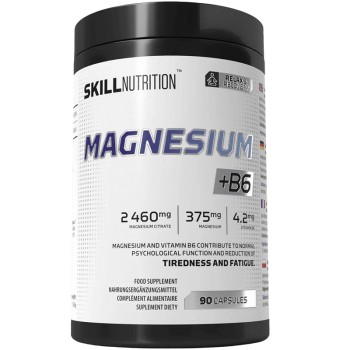
Minerals: essential nutrients that only help when they match a real need
Mineral supplements are products that provide essential minerals such as magnesium, zinc, calcium, selenium, chromium, iodine, potassium, iron, copper and mixed mineral formulas. Your body does not produce these nutrients on its own, so they must come from food, water or supplementation.
The important part is this: minerals are not “more is better” products. They can be very useful when intake is low, losses are high, or a specific goal requires extra attention. But they are not a shortcut for poor nutrition, low sleep, inconsistent training or an undiagnosed health problem.
This category is for shoppers who want to choose mineral supplements more carefully. A good mineral product should answer three questions clearly: which mineral it provides, in what form, and in what amount per serving. If those details are missing, the product is harder to judge.
When mineral supplements make sense
Minerals may be worth considering when there is a realistic reason to suspect that food alone is not covering your needs. That does not always mean a deficiency. Sometimes the issue is simply that your routine increases demand or makes consistent intake difficult.
- Low dietary intake: limited food variety, low intake of dairy, fish, meat, legumes, nuts, seeds or vegetables can reduce mineral intake.
- High sweat loss: frequent intense training, hot weather and endurance sessions may increase the loss of electrolytes such as sodium, potassium and magnesium.
- Restrictive diets: vegan, low-calorie, elimination or very repetitive diets can make some minerals harder to cover.
- Higher practical demand: active people may pay more attention to magnesium, zinc and electrolytes because they are involved in normal muscle function, energy metabolism and fluid balance.
- Convenience: a mineral supplement can help keep intake consistent when your diet is not ideal every day.
Minerals can be especially useful when they solve a specific gap. For example, magnesium may be relevant for people who do not eat many nuts, seeds, legumes or leafy greens. Calcium may be relevant when dairy intake is low, although it should still be considered together with total diet, vitamin D status and individual needs. Zinc and selenium can be useful in targeted cases, but they should not be taken in high doses without a reason.
When minerals are not the right solution
A mineral supplement is not the right first step if the main problem is unclear. Low energy, poor recovery, cramps, hair changes, poor sleep or low mood can have many causes. A mineral deficiency is only one possibility, and sometimes not the most likely one.
- If your diet already covers the mineral: extra intake may add no practical benefit.
- If you expect a stimulant effect: minerals do not work like caffeine or pre-workout formulas.
- If you expect direct fat loss: minerals do not “burn” fat. They may support normal body functions, but body composition still depends mainly on calories, protein intake, training and consistency.
- If symptoms are strong or persistent: supplementation should not replace medical evaluation.
- If you take medication: some minerals can interfere with absorption or interact with treatment schedules.
One common mistake is buying a high-dose mineral because the label sounds strong. That is not always a better choice. With minerals, the useful dose and the safe dose can be closer than people think, especially with iron, selenium, iodine, copper and zinc.
Main types of mineral supplements
Single-mineral products
These provide one main mineral, such as magnesium, zinc, calcium or selenium. They are useful when you know which mineral you want to focus on. The advantage is control: you can see the dose clearly and avoid taking unnecessary extras.
Single-mineral products are often the better choice when you already use a multivitamin or multimineral. They reduce the risk of doubling up on the same nutrient without noticing.
Multimineral formulas
Multiminerals combine several minerals in one product. They can be practical for general support, especially when your diet is inconsistent. The downside is that the dose of each mineral may be modest, or the formula may include minerals you do not actually need.
Before choosing a multimineral, check whether it overlaps with other supplements you already use. Many multivitamins, immune formulas, testosterone support formulas and wellness products already contain zinc, magnesium, selenium or iodine.
Electrolyte minerals
Electrolyte products usually focus on sodium, potassium, magnesium and sometimes calcium. They are most relevant around sweating, endurance activity, long sessions, hot weather or situations where fluid balance is a practical concern.
They are not automatically necessary for every gym workout. For a short session in a cool environment, water and normal meals may be enough. Electrolytes make more sense when sweat loss is noticeable or performance drops during longer activity.
Trace minerals
Trace minerals such as selenium, iodine, copper, chromium and manganese are needed in small amounts. Small amounts matter, but high amounts are not automatically better. This is the group where label reading is particularly important.
If a trace mineral product uses very high percentages of daily value, ask why. Sometimes the dose is justified for a specific use case. Sometimes it is simply marketing.
How to choose a mineral supplement
Start with the reason, not the product. A clear reason prevents random stacking and helps you avoid paying for minerals you do not need.
- Check the exact mineral form: forms such as citrate, glycinate, malate, bisglycinate, gluconate, picolinate or oxide can differ in tolerance and practical use.
- Look at elemental amount: the label should make clear how much actual mineral you get per serving, not only the compound weight.
- Avoid unnecessary mega doses: very high doses are not automatically more effective and may increase the chance of side effects.
- Consider timing: calcium, iron, magnesium and zinc may compete for absorption when taken together in high amounts. Some are better tolerated with food.
- Review your full stack: check multivitamins, sleep products, immune formulas and sports formulas for overlapping minerals.
- Choose based on tolerance: some forms may be gentler on the stomach than others, and individual response matters.
For magnesium, many shoppers prefer forms such as glycinate, citrate or malate depending on goal and tolerance. Magnesium oxide is common and can be useful in some contexts, but it is not always the first choice if the priority is gentle daily use. For zinc, picolinate, citrate, gluconate and bisglycinate are common options. For calcium, carbonate and citrate are widely used, with different practical pros and cons. The best option depends on diet, digestion, dose and what else you take.
Red flags when shopping for minerals
Minerals are often marketed with big promises because the body needs them for many functions. That does not mean a supplement can control those functions on demand. Be careful with claims that sound too direct.
- “Instant results” claims: mineral status usually changes gradually, not in one serving.
- Very high doses without explanation: especially for selenium, iodine, iron, copper or zinc.
- Unclear labels: if the product does not show the mineral form or amount per serving, comparison becomes difficult.
- Too many minerals in one formula: complex blends can look impressive but may underdose the important ingredients.
- Medical promises: supplements should not claim to treat, cure or prevent disease.
- Ignoring interactions: minerals can affect the absorption of some medications, including certain antibiotics and thyroid medication.
If you are pregnant, breastfeeding, under 18, have kidney disease, thyroid problems, heart conditions, high blood pressure, or you take prescription medication, it is better to ask a healthcare professional before using targeted mineral supplements. This is especially important with iron, iodine, potassium and high-dose trace minerals.
A practical way to decide
If you are unsure where to start, use a simple filter.
- First: check your diet for the mineral-rich foods you regularly eat.
- Second: look at your training, sweating, calorie intake and food restrictions.
- Third: review supplements you already use to avoid duplicate dosing.
- Fourth: choose one targeted mineral or a moderate multimineral instead of stacking several high-dose products.
- Fifth: if symptoms are persistent or unusual, do not guess. Get professional advice and consider testing where appropriate.
This approach is less exciting than buying the strongest label. It is also safer and usually more effective.
Choose minerals with a clear purpose
The mineral supplements in this category can support normal daily intake, active lifestyles and specific nutritional gaps. They make the most sense when selected according to diet, goal, dose, form and tolerance.
Browse the products calmly and compare the label details before choosing. If you already know which mineral you need, a single-mineral product gives more control. If your intake is inconsistent and you want general support, a balanced multimineral may be more practical. In both cases, the best choice is the one that fits a real need without adding unnecessary extras.
This information is for general guidance and does not replace advice from a qualified healthcare professional. If you have a medical condition, use medication, are pregnant or breastfeeding, consult a specialist before changing your supplement routine.