Creatine supplements: what this category is for
Creatine is one of the most researched sports nutrition supplements for strength, power and high-intensity performance. In simple terms, it helps Your muscles maintain phosphocreatine stores, which support rapid energy production during short, intense efforts such as heavy sets, sprints, jumps or repeated intervals.
That does not mean creatine builds muscle on its own. It does not replace training, protein intake, calories, sleep or consistency. What it can do is help some people train a little harder, complete more quality work over time, and recover between repeated efforts during a session. The visible result depends on what You do with that extra training capacity.
This category includes different creatine forms and formats: classic creatine monohydrate, micronized creatine, creatine hydrochloride, buffered or alkaline creatine, creatine malate, capsules, powders and sometimes multi-ingredient formulas. The best choice is not always the most expensive one. For many users, plain creatine monohydrate remains the most practical starting point.
When creatine makes sense
Creatine is most relevant when Your training includes repeated high-intensity efforts. It is commonly used by people who train for muscle mass, strength, power, CrossFit-style conditioning, combat sports, sprint-based sports or demanding gym sessions.
Creatine may be useful if:
- You train with weights and want to support strength progression and training volume.
- You perform short, explosive or repeated high-intensity efforts.
- You already have a reasonable training and nutrition routine, but want a simple supplement with strong practical value.
- You struggle to progress in compound lifts and want to support performance over several weeks.
- You do not eat much red meat or fish, which are natural dietary sources of creatine.
A common practical dose for many adults is 3-5 g of creatine per day. Some people use a short loading phase of about 20 g per day split into several servings for 5-7 days, but it is not mandatory. Daily use is more important than perfect timing. Taking creatine after training, with a meal, or at another convenient time can all work if You are consistent.
When creatine is not the right solution
Creatine is often misunderstood. It is not a fat burner, not a pre-workout stimulant, and not a shortcut for muscle gain. If Your main problem is inconsistent training, low protein intake, poor sleep or lack of calorie control, creatine will not fix those issues.
Creatine may not be worth it if:
- You expect immediate visible muscle growth in a few days.
- Your training is very light and does not include progressive overload.
- You are trying to lose fat but are not managing calorie intake.
- You want a stimulant effect before training. Creatine does not work like caffeine.
- You stop using products quickly if You do not feel an immediate “kick”. Creatine is usually subtle.
It is also important to know that creatine can increase body weight slightly in some users because of increased water stored inside muscle cells. This is not the same as fat gain, but it can be confusing if You are monitoring the scale closely during a cutting phase. If You compete in a weight-class sport, this detail matters.
Types of creatine products in this category
Creatine monohydrate
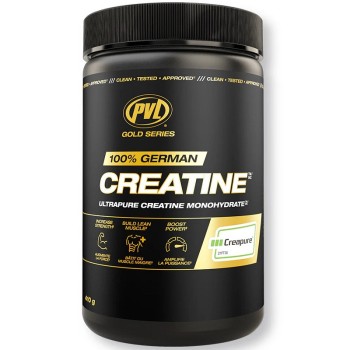
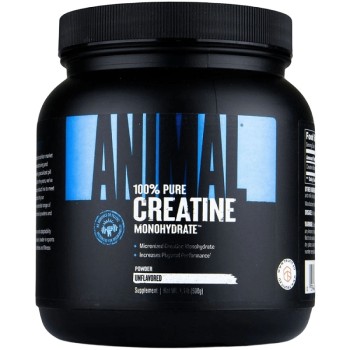
Creatine monohydrate is the standard option and the form with the strongest track record in sports nutrition. It is usually cost-effective, easy to dose and suitable for most users. If You are buying creatine for the first time, this is often the most reasonable place to start.
Micronized creatine
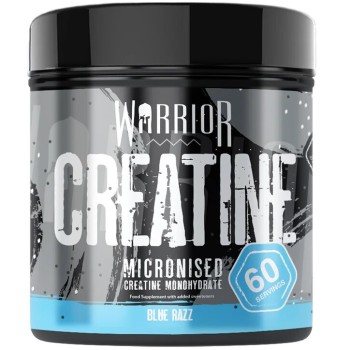
Micronized creatine is creatine monohydrate processed into smaller particles. The main practical advantage is that it may mix more easily in water or a shake. It is not automatically more effective, but it can be more pleasant to use if texture matters to You.
Creatine hydrochloride
Creatine hydrochloride is marketed as a form with better solubility and smaller serving sizes. Some users prefer it because it feels lighter on the stomach. The higher price per serving should be weighed against the fact that creatine monohydrate already works well for many people.
Buffered, alkaline and specialty forms
Buffered or alkaline creatines are often promoted as advanced alternatives. They may be suitable for people who prefer a specific format or have had digestive discomfort with standard creatine. However, claims that these forms are universally superior should be treated carefully unless the product provides clear dosing and transparent information.
Creatine blends and formulas
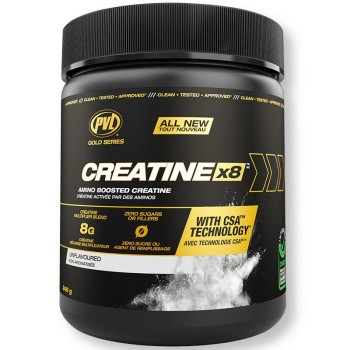
Some products combine several creatine forms or include other ingredients such as amino acids, carbohydrates, electrolytes or pre-workout compounds. These can be convenient, but You should check whether the actual creatine dose is clearly stated. A blend is not automatically better if the label hides the amount of each ingredient.
How to choose the right creatine
The best creatine product is the one that matches Your goal, digestion, budget and preferred way of use. A simple powder may be the best value. Capsules are more convenient, but usually cost more per gram. Flavored formulas can be easier to drink, but may include sweeteners, acids or extra ingredients You do not need.
Useful selection criteria
- Clear serving size: check how many grams of creatine You get per serving, not just the scoop size.
- Price per gram: compare products by actual creatine content, not only by tub price.
- Ingredient transparency: single-ingredient creatine is easiest to evaluate.
- Format: powder is practical for daily use; capsules are convenient for travel or work.
- Digestive tolerance: if standard creatine causes discomfort, try smaller doses with food or consider another form.
- Training goal: for strength and hypertrophy work, consistency matters more than exotic claims.
If You are unsure, choose a product that gives You a straightforward daily dose without unnecessary extras. You can always move to a more specialized form later if You have a clear reason.
Red flags when buying creatine
Creatine is simple, which is exactly why some products try to make it sound more mysterious than it is. Be careful with labels and claims that promise too much.
- “Instant muscle gain” claims: creatine may support training performance, but it does not guarantee muscle growth.
- “Burns fat” claims: creatine is not a fat burner and does not replace calorie control.
- Undisclosed proprietary blends: if the label does not show the creatine amount, it is hard to judge value.
- Tiny servings: a product may look cheap but provide too little creatine per dose.
- Medical claims: supplements should not be marketed as treatment or cure.
- Overpriced “advanced” forms without a clear benefit: premium pricing should come with a practical reason.
Safety and sensible use
For healthy adults, creatine is generally considered one of the better-studied sports supplements when used responsibly. Still, it is not suitable for everyone without context. If You have kidney disease, a history of kidney problems, uncontrolled high blood pressure, a medical condition, or You take prescription medication, speak with a healthcare professional before using creatine. The same applies during pregnancy, breastfeeding, or if the product is intended for someone under 18.
Some users may notice mild stomach discomfort, especially with large single servings. Splitting the dose, taking it with food, or using a smaller daily amount can help. Drinking enough fluids and keeping Your overall diet balanced is also sensible, especially if You train hard and sweat heavily.
A practical way to start
If You are new to creatine, keep it simple. Choose a clear product, take a consistent daily serving, and track Your training for at least 4-8 weeks. Look at performance markers such as reps completed, load used, total sets, sprint repeatability or general training quality. Do not judge creatine only by whether You “feel” something on day one.
Creatine works best as part of a routine: structured training, enough protein, sufficient calories for Your goal, and regular sleep. If those are missing, start there first. If they are already in place, creatine can be a useful and cost-effective addition.
Browse the creatine products in this category and choose based on dose clarity, form, value and how You prefer to take it. The right product is not the loudest one on the label. It is the one You can use consistently and that fits Your actual training needs.