Fraud Blocker
Navigation
Navigation
Filter
Your Cart

Amino Acids

Stock: In Stock
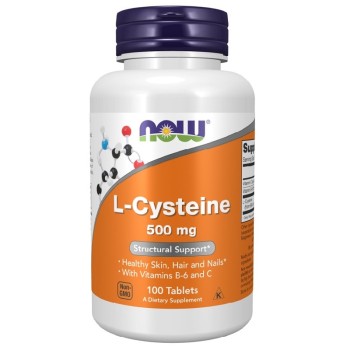
NOW L-Cysteine 500 mg supports the digestive system.NOW L-Cysteine is a non-essential amino acid found in the protein beta-keratin, which is a ke..
Price
Regular 31.52€
Promo 18.99€ -40%
Wholesale 12.63€ -60%
Add to Cart
Stock: In Stock
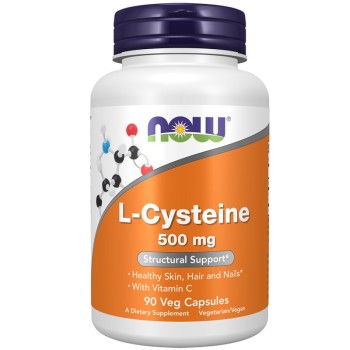
NOW L-Cysteine 500 mg supports the digestive system.NOW L-Cysteine is a non-essential amino acid found in the protein beta-keratin, which is a ke..
Price
Regular 26.54€
Promo 15.99€ -40%
Wholesale 11.42€ -57%
Add to Cart
Stock: In Stock
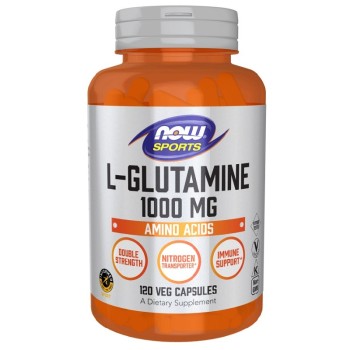
NOW L-Glutamine is the most abundant amino acid in the human body. NOW L-Glutamine is an amino acid dietary supplement with 100% content of glut..
Price
Regular 31.52€
Promo 18.99€ -40%
Wholesale 13.46€ -57%
Add to Cart
Stock: In Stock
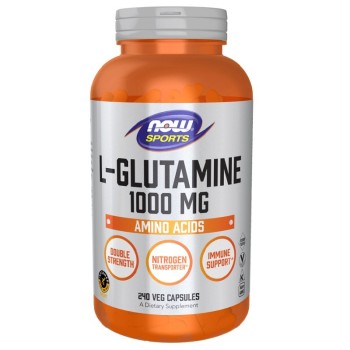
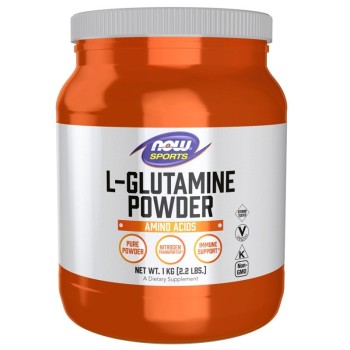
NOW L-Glutamine is the most abundant amino acid in the human body. NOW L-Glutamine is an amino acid dietary supplement with 100% content of gl..
Price
Regular 59.74€
Promo 35.99€ -40%
Wholesale 24.75€ -59%
Add to Cart
Stock: In Stock
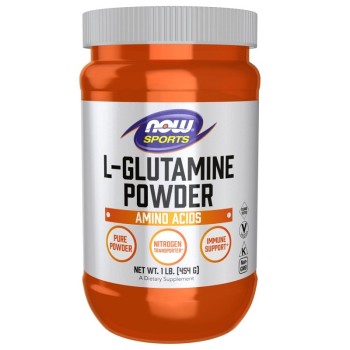
NOW L-Glutamine Powder is the most common amino acid in the human body. NOW L-Glutamine Powder is an amino acid dietary supplement with 100% content ..
Price
Regular 94.60€
Promo 56.99€ -40%
Wholesale 39.58€ -58%
Add to Cart
Stock: In Stock
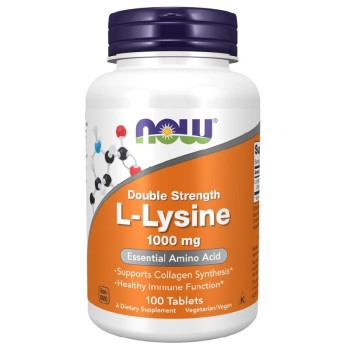
NOW L-Glutamine Powder is the most abundant amino acid in the human body. NOW L-Glutamine Powder is an amino acid dietary supplement with 100% conten..
Price
Regular 49.78€
Promo 29.99€ -40%
Wholesale 21.22€ -57%
Add to Cart
Stock: In Stock
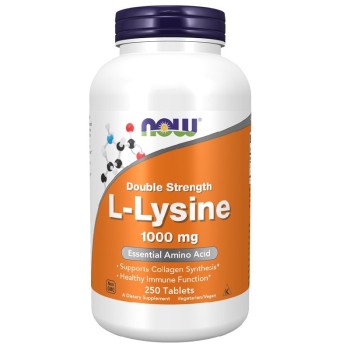
NOW L-Lysine 1000 mg contains 1000 mg of the essential amino acid Lysine. Lysine is an important essential amino acid. This means it cannot be produc..
Price
Regular 19.51€
Promo 11.75€ -40%
Wholesale 8.35€ -57%
Add to Cart
Stock: In Stock
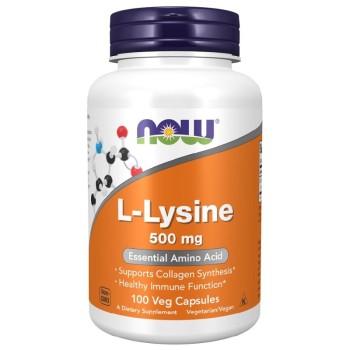
NOW L-Lysine 1000 mg contains 1000 mg of the essential amino acid Lysine. Lysine is an important essential amino acid. This means that it cannot be p..
Price
Regular 39.82€
Promo 23.99€ -40%
Wholesale 17.50€ -56%
Add to Cart
Stock: In Stock
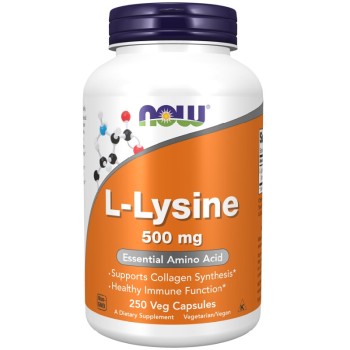
NOW L-Lysine 500 mg is an important essential amino acid. Lysine is an important essential amino acid. This means that it cannot be produce..
Price
Regular 16.12€
Promo 9.71€ -40%
Wholesale 6.98€ -57%
Add to Cart
Stock: In Stock
NOW L-Lysine 500 mg is an important essential amino acid. Lysine (Lysine) is an important essential amino acid. This means that it cannot be produced..
Price
Regular 30.54€
Promo 18.40€ -40%
Wholesale 13.34€ -56%
Add to Cart
Stock: In Stock
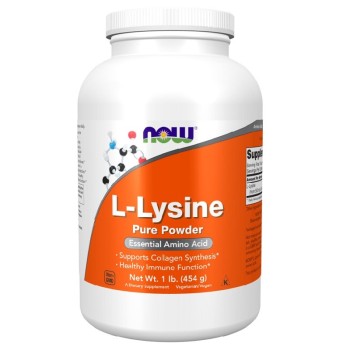
NOW L-Lysine 500 mg contains 500 mg of the essential amino acid Lysine.Lysine is an important essential amino acid. This means that it cannot be produ..
Price
Regular 11.60€
Promo 6.99€ -40%
Wholesale 5.01€ -57%
Add to Cart
Stock: In Stock
NOW L-Lysine Powder contains the essential amino acid Lysine in powder form. Lysine (Lysine) is an important essential amino acid. This mea..
Price
Regular 32.24€
Promo 19.42€ -40%
Wholesale 13.92€ -57%
Add to Cart
Stock: In Stock
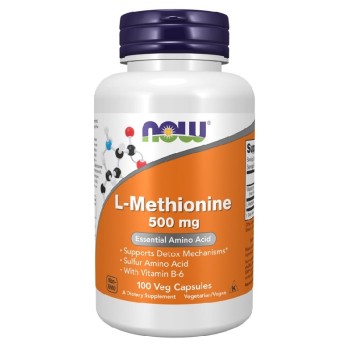
NOW L-Methionine 500 mg is an essential amino acid L-methionine. L-methionine is an essential amino acid, which means it cannot be produced by the ..
Price
Regular 29.86€
Promo 17.99€ -40%
Wholesale 12.40€ -58%
Add to Cart
Stock: In Stock
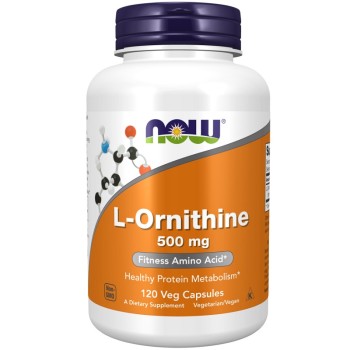
NOW L-Ornithine 500 mg is an amino acid that supports good health. It stimulates healthy protein metabolism. Ornithine is a non-essential amin..
Price
Regular 33.10€
Promo 19.94€ -40%
Wholesale 14.40€ -56%
Add to Cart
Stock: In Stock
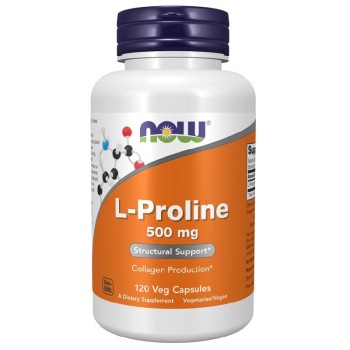
NOW L-Proline 500 mg is an amino acid necessary for collagen production. L-proline is an amino acid essential for collagen production. Coll..
Price
Regular 20.37€
Promo 12.27€ -40%
Wholesale 8.70€ -57%
Add to Cart
Stock: In Stock
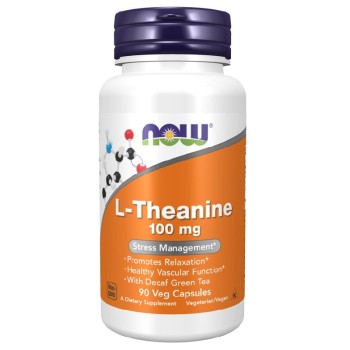
NOW L-Theanine with Decaf Green Tea 100 mg is an amino acid found in green tea leaves.NOW L-Theanine helps reduce mental and physical stress through i..
Price
Regular 26.54€
Promo 15.99€ -40%
Wholesale 10.11€ -62%
Add to Cart
Stock: In Stock
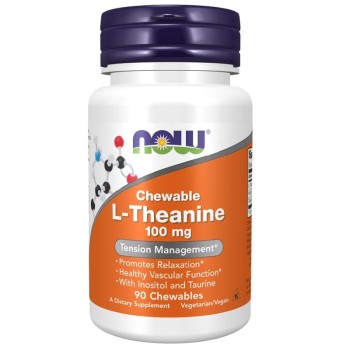
NOW L-Theanine with Inositol and Taurine 100 mg is an amino acid found in green tea leaves. It is responsible for the calming pleasant effect of the ..
Price
Regular 33.18€
Promo 19.99€ -40%
Wholesale 12.69€ -62%
Add to Cart
Stock: In Stock
NOW Taurine 1000 mg is one of the richest amino acids in the body, found in the central nervous system, white blood cells, brain, and skeletal muscles..
Price
Regular 19.90€
Promo 11.99€ -40%
Wholesale 7.28€ -63%
Add to Cart
Stock: In Stock
NOW Taurine 1000 mg is one of the richest amino acids in the body, found in the central nervous system, white blood cells, brain, and skeletal muscles..
Price
Regular 39.82€
Promo 23.99€ -40%
Wholesale 15.74€ -60%
Add to Cart
Stock: In Stock
NOW Tri-Amino encompasses three essential amino acids for our body – L-arginine, L-lysine, and L-ornithine. L-arginine is the most important amino ac..
Price
Regular 31.52€
Promo 18.99€ -40%
Wholesale 12.87€ -59%
Add to Cart
Showing 141 to 160 of 378 (19 Pages)

Amino Acids: When They Help, When They Do Not, and How to Choose

Amino acids are the building blocks of protein, but in supplement form they are not all used for the same purpose. Some are taken around training to support muscle protein synthesis, some are used for workout performance and endurance, and others are included in formulas for hydration, focus, recovery or general sports nutrition.

The important point is this: amino acids are not a shortcut around poor nutrition. If your daily protein intake is low, your meals are inconsistent, or your training plan is random, an amino acid supplement will not fix the whole problem. But in the right situation, the right type of amino acid can be a practical tool.

This category is for people who want to choose more carefully between BCAA, EAA, glutamine, citrulline, arginine, beta-alanine, taurine and other amino acid formulas, instead of buying the product with the loudest label.

What Are Amino Acid Supplements?

Amino acid supplements provide individual amino acids or blends of amino acids in powder, capsule, tablet or ready-to-drink form. They are usually used by people who train regularly, follow a structured diet, or need a convenient option around workouts.

There are 20 amino acids used by the body to build proteins. Some are classified as essential amino acids, which means the body cannot produce them in sufficient amounts and they must come from food. Others are non-essential or conditionally essential, meaning the body can produce them, but demand may change depending on diet, training load, stress, illness or recovery needs.

For shoppers, the practical distinction is simpler:

  • EAA formulas contain all essential amino acids and are usually chosen when the goal is broader support for muscle protein synthesis.
  • BCAA formulas contain leucine, isoleucine and valine, and are often used during training, although their usefulness depends strongly on total protein intake.
  • Performance amino acids such as citrulline, beta-alanine and arginine are used more for training output, pump, endurance or fatigue management.
  • Single amino acids such as glutamine, taurine or tyrosine are selected for more specific purposes, depending on the person and context.
  • Complex amino acid blends combine several types and may be convenient, but the label should be checked carefully for meaningful doses.

When Amino Acids Make Sense

Amino acids can make sense when they solve a specific problem. They are most useful when your training, protein intake and recovery habits are already reasonably organized, but you need extra convenience or targeted support.

They may be useful if:

  • You train fasted or with long gaps between meals. An EAA or amino acid drink may be easier than a full meal before or during training.
  • You struggle to eat enough protein at the right times. This is common during busy workdays, dieting phases or early morning workouts.
  • You want a lighter option than a protein shake. Amino acid drinks are usually lower in calories and easier to sip during training.
  • Your workouts are long or high-volume. Some formulas include electrolytes, citrulline, taurine or other ingredients that may fit endurance-style or demanding sessions.
  • You are choosing a specific performance ingredient. Beta-alanine, citrulline and taurine are often used for reasons different from muscle building alone.
  • You prefer a product without lactose, dairy or heavy texture. This can matter if protein powders feel too filling before exercise.

In these cases, amino acids are not “magic”. They are a convenient way to support a plan that already has structure.

When Amino Acids Are Not the Right Solution

There are also situations where amino acids are probably not the best first purchase. This is where many people waste money.

They may not be worth it if:

  • Your daily protein intake is already sufficient. If you consistently eat enough high-quality protein from food and protein powder, extra BCAA may add little.
  • You expect guaranteed muscle gain. Muscle growth still depends on progressive training, total calories, protein, sleep and consistency.
  • You expect fat loss from amino acids alone. Amino acids do not replace a calorie deficit and should not be marketed as fat-burning products.
  • Your main issue is low energy from poor sleep or too few calories. A workout drink cannot fully compensate for under-recovery.
  • You are using them instead of meals too often. Amino acids are not a complete food and do not provide the full nutritional value of a balanced meal.
  • You have a medical condition or take medication and want to self-manage symptoms. In that case, speak with a qualified professional before using supplements seriously.

If the basics are missing, start there first. A simple protein powder, better meal planning, creatine, or improved sleep may be more relevant than an amino acid formula, depending on your goal.

Main Types of Amino Acid Products

EAA

EAA products contain the essential amino acids. They are usually the more complete option compared with BCAA when the purpose is to support muscle protein synthesis, especially when taken away from meals. The key point is dose and formula quality. Some products list all essential amino acids but use very small amounts.

BCAA

BCAA products contain three amino acids: leucine, isoleucine and valine. They became popular as intra-workout supplements, but their value is context-dependent. If your diet already contains enough complete protein, BCAA may be less important. If you train with long gaps between meals or prefer a low-calorie drink during exercise, they may still be practical.

Glutamine

Glutamine is one of the most abundant amino acids in the body. It is often marketed for recovery, digestion and immune support, but the evidence for direct muscle-building effects in well-fed strength athletes is limited. It may still be chosen by some people during demanding periods, but expectations should be realistic.

Citrulline and Arginine

Citrulline and arginine are commonly used in pump and nitric oxide formulas. Citrulline is often preferred in pre-workout products because it can raise arginine availability effectively. These ingredients are more related to blood flow, pump and training feel than to direct muscle gain.

Beta-Alanine

Beta-alanine is used for performance in repeated high-intensity efforts. It is known for the tingling sensation some people feel after taking it. That sensation is not dangerous for most healthy users, but it can be uncomfortable. Beta-alanine works best with consistent use rather than only as a one-time pre-workout ingredient.

Taurine, Tyrosine and Other Amino Acids

Taurine is often included in hydration, energy and endurance formulas. Tyrosine is usually found in focus-oriented products. These amino acids can be useful in the right formula, but they should not be treated as universal solutions. Always check what problem the ingredient is supposed to solve.

How to Choose the Right Amino Acid Supplement

A good amino acid product should match your goal, your diet and your training style. Do not choose only by flavor or serving count.

Use these selection criteria:

  • Goal first. For muscle protein support between meals, look at EAA. For intra-workout taste and convenience, BCAA or EAA may work. For performance, look at citrulline, beta-alanine or targeted blends.
  • Check the actual dose. A long ingredient list is not automatically better. Some formulas include many ingredients in amounts too small to matter.
  • Look for transparent labeling. A product that clearly states ingredient amounts is easier to judge than one hiding behind a large proprietary blend.
  • Consider timing. Some amino acids are suitable before training, some during training, and some can be taken separately from workouts.
  • Think about digestion. Powders are convenient and easy to sip, but capsules may be better if you dislike sweet drinks.
  • Watch stimulants. Amino acid formulas are usually stimulant-free, but some performance blends may include caffeine or other stimulants.
  • Compare cost per effective serving. A cheaper tub is not always cheaper if each serving is underdosed.

Common Red Flags

Some amino acid products are useful. Others rely more on label design than formula quality. Be careful with products that make the decision sound too easy.

  • Claims of guaranteed muscle gain or fat loss. Amino acids can support a plan, but they do not guarantee body composition changes.
  • Very large proprietary blends. If you cannot see how much of each ingredient you get, it is hard to judge value.
  • Too many ingredients with no clear purpose. More ingredients can mean less of each one.
  • “Clinical dose” language without visible amounts. If the dose is not shown, the claim is not very helpful.
  • Products that ignore your diet. If a label suggests you need amino acids regardless of protein intake, treat that as marketing.
  • Extreme stimulant combinations. If the formula includes caffeine or other stimulants, be careful if you have high blood pressure, anxiety, sleep problems or sensitivity to stimulants.

A Practical Way to Decide

If you are unsure where to start, use a simple filter:

  • If you do not eat enough protein: fix total protein first. Amino acids may help, but they are not the foundation.
  • If you train between meals: EAA or BCAA can be convenient during or around training.
  • If you want pump and workout feel: citrulline or arginine-based formulas may be more relevant than classic BCAA.
  • If you do repeated intense sets or intervals: beta-alanine may be worth considering.
  • If you want a complete recovery strategy: look beyond amino acids and assess sleep, calories, hydration, training volume and protein.

This approach prevents a common mistake: buying an amino acid product for a problem it was never designed to solve.

Safety and Sensible Use

Most amino acid supplements are intended for healthy adults who train or follow an active lifestyle. Still, “supplement” does not mean “automatically suitable for everyone”. If you are pregnant, breastfeeding, under 18, have kidney, liver, cardiovascular or metabolic concerns, or take medication, it is sensible to consult a doctor or qualified dietitian before regular use.

Also pay attention to the full formula. A basic EAA powder is different from a pre-workout amino blend with stimulants, nitric oxide boosters and other active ingredients. The risk profile changes with the formula.

Browse Amino Acids with a Clear Goal

Choose amino acids based on what you actually need: convenience, intra-workout support, performance ingredients, or a specific single amino acid. If your nutrition is already strong, you may need less than the marketing suggests. If your schedule makes regular meals difficult, the right amino acid product can be a practical addition.

Review the options in this category, compare the formulas carefully, and choose the product type that fits your training, diet and tolerance. The best choice is not the most aggressive label. It is the one that solves a real problem without pretending to do everything.

Filter