Fraud Blocker
Navigation
Navigation
Filter
Your Cart

Vegetable Protein

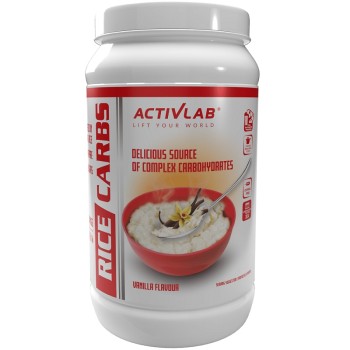
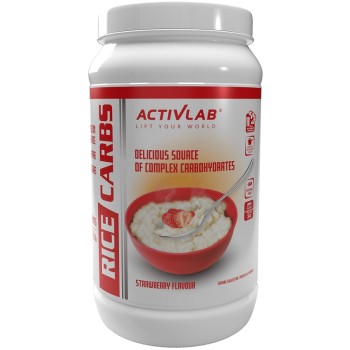
Activlab Rice Carbs, 1000 Grams Activlab Rice Carbs, 1000 Grams
Black Month -50%
Stock: In Stock
Activlab Rice Carbs consists of rice-based carbohydrates.Activlab Rice Carbs is a high-quality product made from rice flour, designed for the quick an..
Price
Regular 19.98€
Promo 9.99€ -50%
Wholesale 5.48€ -73%
Add to Cart
Applied Nutrition Critical Plant Protein, 1800 Grams Applied Nutrition Critical Plant Protein, 1800 Grams
+ GIFT Black Month -50%
Stock: In Stock
Applied Nutrition Critical Plant Protein is the perfect blend of plant proteins.Applied Nutrition Critical Plant Protein is the perfect blend of plant..
Price
Regular 87.98€
Promo 43.99€ -50%
Wholesale 28.47€ -68%
Add to Cart
Gym Beam Hemp Protein, 1000 Grams
Black Month -50%
Stock: In Stock
Gym Beam Hemp Protein is a hemp protein suitable for vegetarians and vegans. Gym Beam Hemp Protein is a hemp protein. It contains all 20 am..
Price
Regular 41.98€
Promo 20.99€ -50%
Wholesale 13.22€ -69%
Add to Cart
Gym Beam Rice Protein, 1000 Grams
Black Month -50%
Stock: In Stock
Gym Beam Rice Protein is rice hydrolysate. Gym Beam Rice Protein is a dietary supplement that contains 79% protein. It is an ideal source of protein ..
Price
Regular 41.98€
Promo 20.99€ -50%
Wholesale 13.72€ -67%
Add to Cart
NOW Pea Protein, 907 Grams
Black Month -50%
Stock: In Stock
NOW Pea Protein is a pea protein suitable for vegans. Peas are well-known for being a source of highly bioavailable protein. Additionally, peas are n..
Price
Regular 79.98€
Promo 39.99€ -50%
Wholesale 26.02€ -67%
Add to Cart
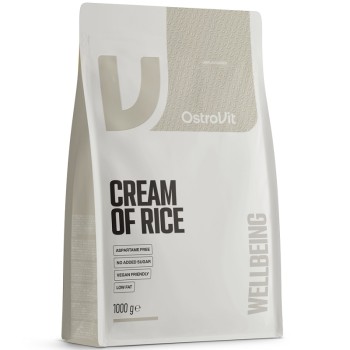
OstroVit Cream of Rice Natural, 1000 Grams
Black Month -50%
Stock: In Stock
OstroVit Cream of Rice is a rice cream.OstroVit Cream of Rice is a product that is a rich source of carbohydrates. It provides you with a 100% pure, c..
Price
Regular 15.98€
Promo 7.99€ -50%
Wholesale 4.16€ -74%
Add to Cart
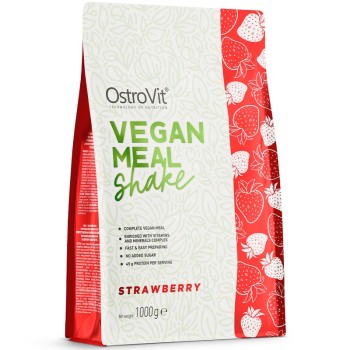
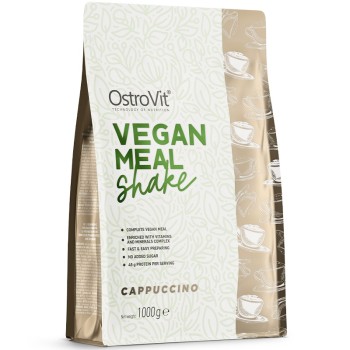
OstroVit Vegan Meal Shake, 1000 Grams OstroVit Vegan Meal Shake, 1000 Grams
Black Month -50%
Stock: In Stock
OstroVit Vegan Meal Shake is a complete meal replacement based on a completely plant-based diet.OstroVit Vegan Meal Shake is a balanced meal replaceme..
Price
Regular 29.98€
Promo 14.99€ -50%
Wholesale 9.33€ -69%
Add to Cart
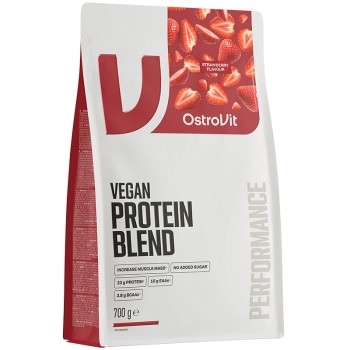
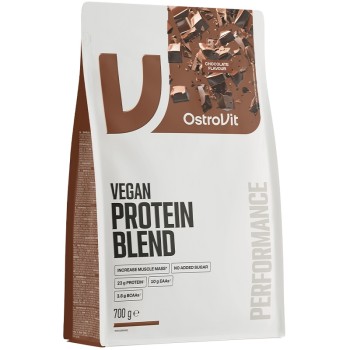
OstroVit Vegan Protein Blend, 700 Grams OstroVit Vegan Protein Blend, 700 Grams
Black Month -50%
Stock: In Stock
OstroVit Vegan Protein Blend is a vegan protein from three types of plant sources.OstroVit Vegan Protein Blend is a high-quality blend of plant protei..
Price
Regular 29.98€
Promo 14.99€ -50%
Wholesale 9.74€ -68%
Add to Cart
Rule1 Plant Protein, 620/670 Grams Rule1 Plant Protein, 620/670 Grams
Black Month -50%
Stock: In Stock
Rule1 Plant Protein is a plant protein powder.Rule1 Plant Protein contains pea protein, sunflower seeds, pumpkin seeds, and watermelon seeds. This 100..
Price
Regular 69.98€
Promo 34.99€ -50%
Wholesale 22.07€ -68%
Add to Cart
San Rawfusion, 931/933 Grams - Natural Chocolate
Black Month -50%
Stock: In Stock
San Rawfusion is a 100% plant-based protein matrix.San Rawfusion includes pea protein isolate, sprouted brown rice, and artichoke protein concent..
Price
Regular 85.98€
Promo 42.99€ -50%
Wholesale 27.82€ -68%
Add to Cart
Scitec Nutrition 100% Vegan Protein, 1000 Grams
Black Month -50%
Stock: In Stock
Scitec Nutrition 100% Vegan Protein is a vegan protein from five types of plant sources. If you are a vegetarian or vegan, or simply do not want to c..
Price
Regular 61.98€
Promo 30.99€ -50%
Wholesale 22.65€ -63%
Add to Cart
Activlab Soya Pro, 500 Grams
Black Month -50%
Stock: Out Of Stock
Activlab Soya Pro is a soy protein isolate. Activlab Soya Pro is a high-protein supplement based on soy protein isolate (SPI). Each serving..
Price
Regular 21.98€
Promo 10.99€ -50%
Wholesale 6.54€ -70%
Out Of Stock
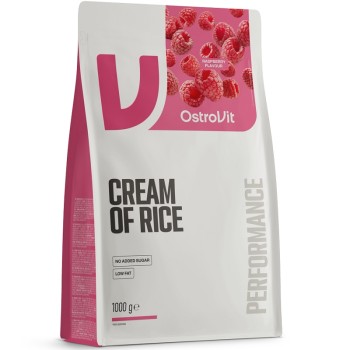
OstroVit Cream of Rice, 1000 Grams
Black Month -50%
Stock: Pre-Order
OstroVit Cream of Rice is a rice cream.OstroVit Cream of Rice is a product that is a rich source of carbohydrates. It is a nutritious snack available ..
Price
Regular 15.98€
Promo 7.99€ -50%
Pre-Order
Rule1 Source7 Protein, 1790/1800 Grams Rule1 Source7 Protein, 1790/1800 Grams
Black Month -50%
Stock: Out Of Stock
Rule1 Source7 Protein is a combination of 7 different proteins.Rule1 Source7 Protein combines a protein matrix of seven premium proteins in an easy-to..
Price
Regular 117.98€
Promo 58.99€ -50%
Wholesale 32.05€ -73%
Out Of Stock
Showing 1 to 14 of 14 (1 Pages)

Vegetable protein is a category of protein supplements made from plant-based sources such as pea, rice, hemp, soy, pumpkin seed, sunflower seed or blended plant protein formulas. It is mainly used to help increase daily protein intake when food alone is not practical, or when dairy-based proteins such as whey and casein are not suitable for your diet, digestion or personal preferences.

The short answer: vegetable protein makes sense if you want a dairy-free, vegan-friendly or lactose-free protein option that can support your nutrition plan. It is not a magic product for fat loss, muscle gain or better health on its own. The real value is simple: it helps you reach a reasonable protein target more consistently.

This category is especially useful for people who train regularly, follow a plant-based diet, have problems digesting milk proteins, or simply want an alternative to whey. The important part is choosing the right type. Plant proteins differ more than many shoppers expect: taste, texture, amino acid profile, mixability, digestion and price per serving can vary a lot.

What is vegetable protein?

Vegetable protein supplements are powdered protein products made from plants. The protein is extracted, concentrated and usually flavored so it can be mixed with water, plant milk, smoothies, oats or recipes. Depending on the formula, one serving often provides roughly 15-25 g of protein, but the exact amount depends on the product and serving size.

Unlike whey protein, which comes from milk, vegetable protein does not naturally contain lactose. That is one reason many people choose it. Another reason is dietary preference: vegan, vegetarian, flexitarian or simply wanting more variety in the diet.

There is one practical detail worth knowing: many plant proteins have a slightly earthier taste and thicker texture than whey. This does not make them worse, but it affects product choice. A good plant protein should not only look good on the label. You should be able to drink it consistently.

When vegetable protein makes sense

Vegetable protein is a good option when it solves a real problem in your nutrition. It is not necessary for everyone, but it can be very useful in the right context.

  • You avoid dairy. If whey or casein cause digestive discomfort, or if you follow a dairy-free diet, vegetable protein is the more logical category to consider.
  • You follow a vegan or mostly plant-based diet. Reaching enough protein can be more difficult if most meals are based on grains, vegetables, fruit and fats. A plant protein powder can make the plan easier.
  • You need convenience. If you miss protein at breakfast, after training or during a busy workday, a shake can be simpler than preparing another full meal.
  • You want a lighter alternative to high-calorie snacks. A protein shake may help structure your intake, although it does not replace an overall calorie plan.
  • You want variety. Some people use vegetable protein not because they must, but because they prefer rotating protein sources instead of relying only on whey.

For people who train, adequate protein intake supports recovery and adaptation from training when the rest of the plan is in place: progressive workouts, enough calories, sleep and consistency. The supplement is only one tool.

When vegetable protein is not the right solution

Vegetable protein is not a shortcut. If your training is inconsistent, your total food intake is random, or your sleep is poor, changing protein powder will not fix the main issue.

  • It is not a fat burner. Protein can help with satiety, but it does not “melt” fat. Fat loss still depends mainly on a sustainable calorie deficit.
  • It does not guarantee muscle gain. Muscle growth requires resistance training, enough total protein, enough energy and time.
  • It is not automatically healthier than whey. Plant-based does not always mean better. Some formulas are excellent; others are low in protein per serving, overly sweetened or poorly balanced.
  • It may not be necessary if your diet already covers your needs. If you consistently eat enough protein from whole foods, a powder is optional.
  • It may not suit every digestion. Some plant proteins, especially higher-fiber or certain legume-based products, may cause bloating in sensitive people.

If you have kidney disease, liver disease, a medical condition, are pregnant or breastfeeding, or follow a medically prescribed diet, speak with a qualified professional before making a major change in protein intake.

Main types of vegetable protein

The category includes several product types. The best choice depends on your priorities: amino acid profile, taste, digestion, texture, allergens and price.

Pea protein

Pea protein is one of the most common plant protein options. It usually has a solid protein content and is often used as a base in vegan blends. It tends to be thicker than whey and may have a characteristic taste, depending on the flavoring and processing quality.

Rice protein

Rice protein is often chosen by people who want a simple plant-based protein source. On its own, it can have a slightly grainy texture. It is frequently combined with pea protein because their amino acid profiles complement each other better than either source alone.

Hemp protein

Hemp protein is usually less refined and may contain more fiber and naturally occurring fats compared with highly filtered protein isolates. This can be a plus for some users, but it also means the protein percentage per serving may be lower than in isolates.

Soy protein

Soy protein is a complete plant protein and has been used for many years in sports nutrition. It is not suitable for people avoiding soy, and some shoppers prefer other sources due to taste, digestion or personal preference.

Plant protein blends

Blends combine sources such as pea, rice, hemp, pumpkin seed or sunflower seed. For many people, this is the most practical choice because the blend can improve amino acid balance, texture and flavor. A well-made blend is often easier to use daily than a single-source plant protein.

How to choose a vegetable protein

Do not choose only by the front label. The useful information is usually in the nutrition panel and ingredient list.

  • Protein per serving: Look at how many grams of protein you actually get per dose, not only the scoop size. A 35 g scoop with 20 g protein is very different from a 25 g scoop with 22 g protein.
  • Protein percentage: Higher is not always necessary, but very low protein content may mean you are paying mostly for flavoring, carbohydrates or fillers.
  • Amino acid profile: Blends often make sense because different plant sources complement each other. If your diet is fully vegan, this becomes more important.
  • Digestibility: If you are sensitive to legumes, sweeteners or fiber, start with a smaller serving and assess tolerance.
  • Texture: Some plant proteins are creamy, others are sandy or thick. If you dislike thick shakes, consider products designed for better mixability or use them in oats and smoothies.
  • Sweeteners and flavors: Strong flavoring can hide earthy notes, but it can also be too sweet. Unflavored options are useful for cooking, but not everyone enjoys them as a shake.
  • Allergens: Check for soy, gluten traces, nuts or manufacturing warnings if you have allergies or strict dietary restrictions.
  • Price per serving: Compare the cost per serving and per gram of protein, not just the tub price.

Common red flags

A plant protein does not need exaggerated claims to be good. In fact, the louder the promise, the more carefully you should read the label.

  • Claims of guaranteed fat loss or muscle gain. Protein can support a plan, but it does not replace the plan.
  • Very low protein per serving. Some products look like protein powders but provide too little protein for the price.
  • Unclear serving sizes. If the scoop is large but the protein amount is modest, the product may be less efficient than it appears.
  • Too many “wellness” claims. Words like detox, hormone balance or cleansing should not distract from the basic question: how much quality protein are you getting?
  • Poor ingredient transparency. A clear label is better than vague blends with no useful amounts.
  • Expecting whey-like taste every time. Some plant proteins taste excellent, but they are still different. Unrealistic expectations often lead to disappointment.

Vegetable protein for training, weight management and daily nutrition

If you train with weights, vegetable protein can be used in the same practical situations as other protein powders: after training, between meals, with breakfast, or whenever your meal is low in protein. Timing is less important than total daily intake, but convenience matters. A supplement you actually use consistently is more valuable than a theoretically perfect product that stays unopened.

For weight management, protein can be useful because it makes meals more structured and may help you feel fuller. But it does not override calories. A shake with added nut butter, fruit, oats and plant milk can quickly become a high-calorie meal. That may be useful for gaining weight, but not if your goal is calorie control.

For general nutrition, vegetable protein is simply a practical option. It can be added to smoothies, porridge, pancakes or dairy-free yogurt alternatives. If you dislike shakes, using the powder in food may be easier.

Single-source or blended vegetable protein?

If you already know which source works well for you, a single-source protein can be perfectly fine. For example, some people prefer pea protein for its protein content, rice protein for simplicity, or hemp protein for a less refined profile.

If you are unsure, a blended vegetable protein is often the safer first choice. Blends can reduce the weak points of individual sources: texture, taste and amino acid balance. This is especially relevant if your overall diet is mostly plant-based and you rely on the protein powder often.

How to use vegetable protein practically

A simple approach is to use one serving when a meal is missing protein. For many shoppers, this is breakfast, the post-workout period or an afternoon snack. Mix with water for a lighter option, or with plant milk for a creamier shake. If the texture is too thick, use more liquid than the label suggests.

Start with one serving per day if you are new to plant protein. This gives your digestion time to adjust and helps you judge taste and tolerance. More is not automatically better. Your total diet still matters more than the number of shakes.

A sensible next step

Choose vegetable protein if it fits a clear need: dairy-free protein, vegan nutrition, easier meal planning or a more convenient way to reach your daily protein intake. Compare products by protein per serving, ingredient quality, digestibility, flavor and price per gram of protein.

If you are unsure, start with a plant protein blend or a source you already tolerate well in food. Avoid products that promise more than protein can realistically do. A good vegetable protein should make your routine easier, not sell you a fantasy.

Filter