Whey Protein: a practical choice when you need more protein, not magic results
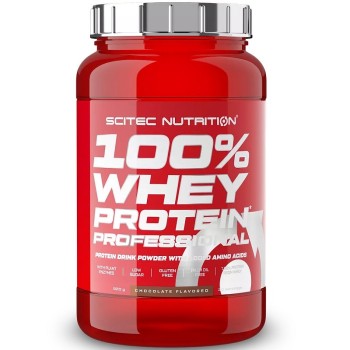
Whey protein is a dairy-based protein powder made from whey, the liquid part of milk separated during cheese production. It is popular because it is convenient, mixes easily, and usually provides a high amount of protein per serving without much preparation. In this category, you may find different whey-based options such as whey concentrate, whey isolate, hydrolyzed whey, and blends.
Whey makes sense if your normal meals do not provide enough protein for your goal. That goal may be maintaining muscle mass during a calorie deficit, supporting recovery after training, or simply making your daily nutrition easier to organize. It is not necessary for everyone. If you already get enough protein from meat, eggs, dairy, fish, legumes, or other foods, whey may be useful for convenience, but it is not essential.
When whey protein is a good fit
- You train regularly and struggle to reach your daily protein intake through food alone.
- You need a quick option after training, at work, while travelling, or between meals.
- You are dieting and want a protein source that is easier to control than high-calorie snacks.
- You prefer a simple shake instead of cooking another full meal.
When whey is not the right solution
Whey protein does not burn fat by itself and does not guarantee muscle gain. Results still depend on total calories, training quality, sleep, consistency, and overall diet. It is also not the best choice if you have a confirmed milk protein allergy. If you are sensitive to lactose, whey isolate may be better tolerated than concentrate, but individual response varies.
If your main problem is low energy, poor sleep, lack of training structure, or inconsistent eating, buying protein powder alone will not fix it. In that case, whey can still help with one part of the plan, but it should not be treated as the whole plan.
How to choose a whey product
- Whey concentrate is usually the most affordable option. It often contains slightly more lactose and fats than isolate, but can be a good everyday choice.
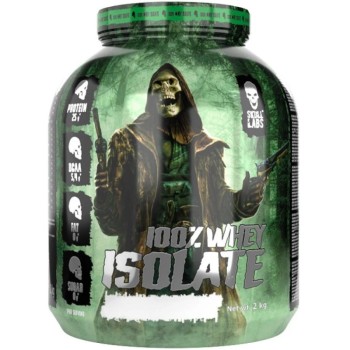
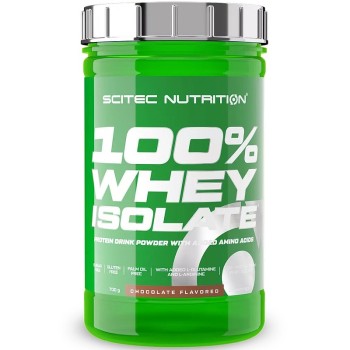
- Whey isolate is typically higher in protein per serving and lower in lactose, fats, and carbohydrates. It may suit people who want a cleaner macro profile.
- Hydrolyzed whey is processed into smaller protein fragments. It is often more expensive and is not automatically necessary for most recreational athletes.
- Whey blends combine different whey forms. They can be practical, but check the label instead of assuming the blend is better.
A useful comparison is not only the tub price, but the cost per real protein serving. Check how many grams of protein you get per scoop, how many servings are in the package, and whether the product fits your digestion and taste preferences. A protein powder that you dislike drinking will probably stay in the cupboard.
Red flags on the label
- Big promises such as “guaranteed muscle growth” or “fat-burning protein”.
- Very low protein content per serving compared with the scoop size.
- Unclear formulas where you cannot easily see what you are paying for.
- Too much focus on marketing terms and too little on nutrition facts.
- Products that rely heavily on added sugars if your goal is controlled calorie intake.
Choose whey according to your actual need: daily protein intake, digestion, budget, taste, and how often you plan to use it. If a simple concentrate covers the job, there is no need to overpay. If lactose or macros matter more, isolate may be the more practical option. Browse the whey products in this category and compare the labels calmly before choosing.