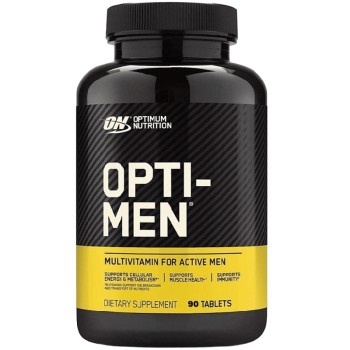
Multivitamins: daily nutritional support, not a shortcut
Multivitamins are supplement formulas that combine several vitamins, minerals and sometimes additional nutrients in one product. Their main role is simple: to help cover nutritional gaps when your diet, lifestyle or training schedule makes consistent intake difficult. They are not a replacement for real food, and they should not be treated as a solution for poor sleep, chronic fatigue, low energy, bad digestion or any medical condition without looking at the bigger picture.
A good multivitamin can make sense if your meals are inconsistent, you train hard, you travel often, you follow a restrictive diet, or you simply want a practical “nutritional insurance” product. But the honest answer is that not everyone needs one. If your diet is varied, your blood markers are good and you already take separate vitamins or minerals based on a real need, adding a complex formula may only duplicate what you already consume.
This category is for shoppers who want a balanced daily formula and need help choosing between basic multivitamins, athlete-oriented formulas, men’s and women’s formulas, and products with higher doses. The goal is not to buy the strongest-looking label. The better choice is usually the formula that fits your diet, lifestyle, tolerance and actual needs.
When multivitamins make sense
Multivitamins are most useful when there is a realistic chance that your daily intake is inconsistent. This does not mean you are “deficient” or unhealthy. It simply means that modern routines can make nutrition uneven: skipped meals, repetitive food choices, dieting phases, long working hours, intense training blocks, or limited access to fresh foods.
A multivitamin may be a practical option if you:
- eat a limited variety of foods during the week;
- are in a calorie deficit and your food quantity is lower than usual;
- train frequently and want a convenient baseline micronutrient formula;
- follow a vegetarian, vegan or low-animal-food diet and need to pay attention to certain nutrients;
- travel often and your meals change from day to day;
- prefer one combined product instead of several separate vitamin and mineral supplements;
- want a basic wellness supplement without stimulant effects.
For active people, multivitamins can be useful during periods when training volume is high and meals are not perfectly structured. They do not build muscle directly, increase strength by themselves or replace protein, carbohydrates, creatine or proper recovery. Their role is more modest: supporting normal nutrient intake when food alone is not consistent enough.
When a multivitamin is not the right solution
A multivitamin is not always the first product to choose. If you feel constantly tired, sleep poorly, have digestive issues, experience unexplained weight changes, or suspect a deficiency, the smarter step is to check the basics first. Food intake, sleep, stress, medical conditions and medication use matter more than adding a broad formula without context.
Multivitamins are not the right solution when you expect them to:
- compensate for a very poor diet long term;
- treat fatigue without understanding the cause;
- replace a doctor’s advice or blood tests;
- guarantee better immunity, faster fat loss or muscle gain;
- solve low energy caused by lack of sleep, under-eating or overtraining;
- replace targeted supplementation when a specific nutrient need is already identified.
If you already take separate vitamin D, magnesium, zinc, omega fatty acids or other supplements, check the label carefully before adding a multivitamin. Overlap is common. More is not always better, especially with fat-soluble vitamins and certain minerals.
Types of multivitamins in this category
Basic daily multivitamins
These formulas usually provide a broad range of vitamins and minerals in moderate amounts. They are suitable for people who want simple daily support without very high doses. A basic formula is often the most sensible choice if your diet is not perfect but also not extremely restrictive.
Sports multivitamins
Sports-oriented multivitamins are often designed for people who train regularly. They may include higher amounts of B vitamins, magnesium, zinc, vitamin C, antioxidants or additional plant extracts. This does not automatically make them better. They may be useful if your training load is high, but they can also be unnecessary if the doses are excessive or if you already use several separate products.
Men’s multivitamins
Men’s formulas often focus on nutrients such as zinc, magnesium, vitamin D, B vitamins and sometimes herbal ingredients. These formulas can be practical, but be careful with products that promise dramatic hormonal effects. A multivitamin can support normal nutrient intake; it should not be marketed or used as a guaranteed testosterone booster.
Women’s multivitamins
Women’s formulas may include iron, folate, calcium, vitamin D or nutrients selected around common dietary patterns. Iron is a good example of why label reading matters. Some women may benefit from an iron-containing formula, while others do not need extra iron unless advised by a healthcare professional or supported by blood tests.
High-potency formulas
High-potency multivitamins contain larger doses, sometimes above 100% of the daily reference intake for many nutrients. They can be useful in specific situations, but they are not automatically superior. With some nutrients, very high daily intake can increase the risk of side effects or unnecessary accumulation. Choose these formulas only when there is a clear reason.
How to choose a multivitamin
The best multivitamin is not the one with the longest label. It is the one that fits your actual routine. Start with your diet and lifestyle, then choose the product type.
- Check the dose per serving. Some products require one tablet per day, others two, three or more capsules. Compare the real daily serving, not only the front label.
- Look for sensible amounts. For many vitamins and minerals, moderate daily doses are more practical than extremely high amounts without a clear need.
- Consider your existing supplements. If you already take vitamin D, zinc, magnesium or vitamin C, avoid unnecessary duplication.
- Match the formula to your diet. A vegan diet, low-calorie diet or repetitive meal plan may require a different approach than a varied omnivorous diet.
- Pay attention to mineral forms. Some forms may be better tolerated than others, especially for magnesium, zinc and iron.
- Check for stimulants or herbal blends. A multivitamin does not need caffeine-like stimulation to be useful.
- Think about consistency. A product you can take daily without stomach discomfort is better than an impressive formula you stop using after one week.
If you are choosing your first multivitamin, a moderate, balanced formula is usually a safer starting point than a very aggressive high-dose product. You can always adjust later if you identify a specific need.
Red flags on multivitamin labels
Multivitamin marketing can be confusing. Some labels look powerful because they list many ingredients, high percentages and bold claims. That does not always mean better value.
Be careful with formulas that:
- promise extreme energy, guaranteed immunity or fast physical transformation;
- use very high doses of many nutrients without explaining the purpose;
- hide important ingredients inside vague “proprietary blends”;
- combine too many herbs, stimulants and micronutrients in one product;
- make hormone, detox or disease-related claims that sound too strong;
- include iron when you do not need it or have not been advised to take it;
- overlap heavily with supplements you already use.
Also be careful with the idea that urine color, sweating, appetite or short-term energy changes prove that a multivitamin is “working”. These signs can be influenced by many factors and do not reliably measure nutritional status.
Practical expectations
Most people should not expect to “feel” a multivitamin immediately. If you were not low in a specific nutrient, the effect may be subtle or not noticeable. That does not mean the product is useless, but it does mean expectations should be realistic.
A multivitamin is best viewed as background nutritional support. It may help make your supplement routine more complete, but the visible results in fitness still depend mostly on training consistency, sufficient protein, calorie balance, sleep and recovery. For general wellness, food quality, movement, stress management and medical follow-up matter more than any single supplement.
If you are using a multivitamin during a diet phase, do not use it as permission to cut food variety too aggressively. Vegetables, fruits, whole grains, legumes, dairy or alternatives, eggs, meat, fish, nuts and seeds provide compounds that a capsule cannot fully replace.
Who should be more cautious
If you are pregnant, breastfeeding, under 18, have a chronic medical condition, take medication, or have kidney, liver, thyroid, cardiovascular or blood-related issues, speak with a qualified healthcare professional before using a multivitamin. This is especially important with products containing iron, vitamin K, high-dose vitamin A, iodine or multiple herbal extracts.
People taking anticoagulants, thyroid medication or long-term prescription drugs should be particularly careful with unsupervised supplementation. The issue is not that multivitamins are “dangerous” by default. The issue is that individual context matters.
A calm way to choose
If you want a simple starting point, choose a multivitamin that matches your profile: basic daily support, sports formula, men’s formula, women’s formula or a more targeted high-potency option. Read the full label, check the daily serving and compare it with what you already take.
If you are unsure, start moderate. A balanced formula used consistently is usually more practical than chasing the strongest product on the shelf. Multivitamins can be a useful part of your routine when they fill a real gap, but they work best next to good food, sleep and training habits-not instead of them.
Browse the multivitamin options in this category and choose the formula that fits your routine, your current supplements and your real needs. If the label looks too extreme for your situation, it probably is.