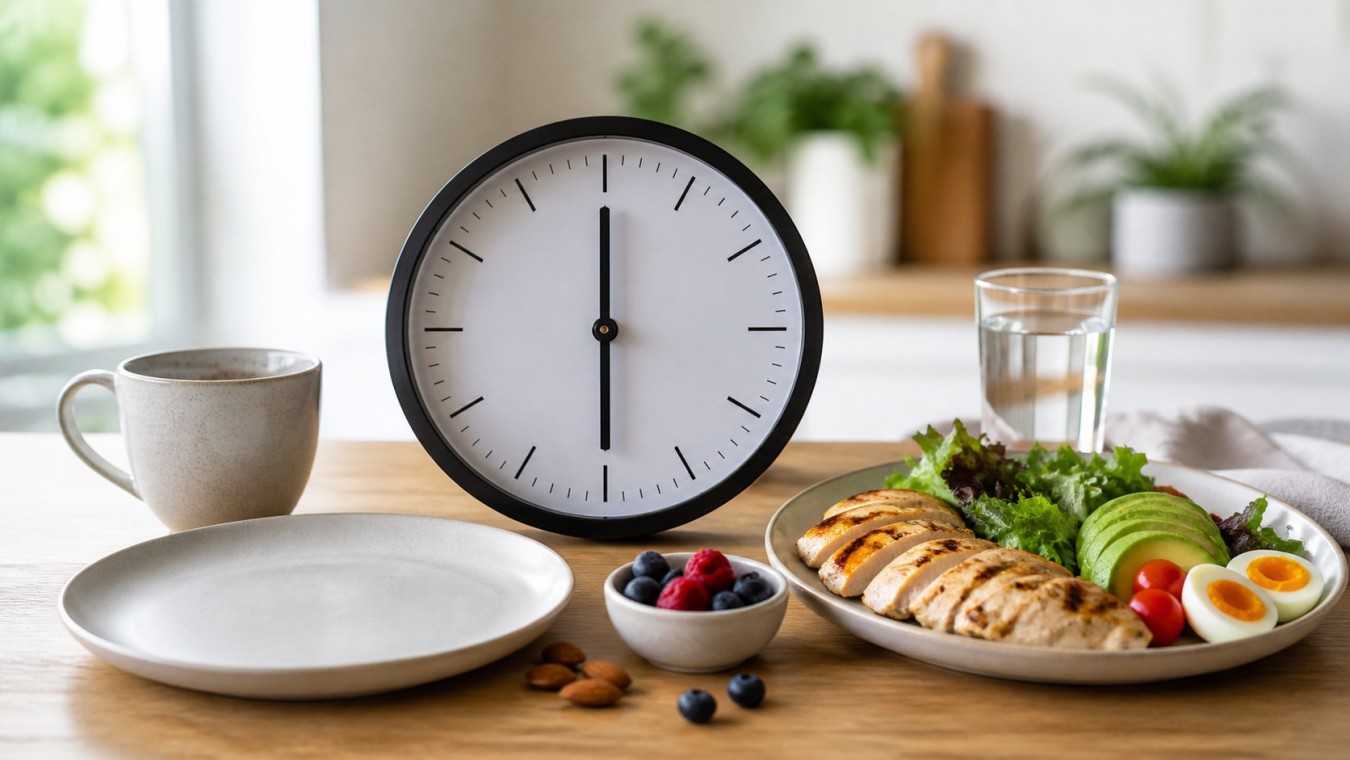
Intermittent fasting is not a diet. That distinction may seem minor, but it is key to understanding why it works for some people and not for others. A diet tells you what to eat. Intermittent fasting tells you only when.
This means it can be combined with almost any nutritional approach - low-carb, Mediterranean, or even your usual eating habits. Its strength lies not in restrictions, but in structure. For many people, that simplicity is precisely why they stick with it more easily than with a traditional diet.
Here we look at how intermittent fasting works physiologically, what methods exist, and - honestly - when it makes little sense to use it.
How Intermittent Fasting Works
When we eat, insulin levels rise. Insulin signals the body to store energy - including as fat. While insulin is high, fat stores are practically "locked" against being burned.
During fasting, insulin levels drop. The body shifts to fat as its primary fuel source. With longer fasting periods - above 12-16 hours - autophagy is also activated: a process in which cells break down and recycle their own damaged components. Research in this area is promising, but not yet conclusive in humans.
Put plainly: the biological mechanism is real. The question is whether, in practical application, it offers an advantage over simply eating less. More on that below.
The Methods - Which Is Right for You
Intermittent fasting is not a single protocol. The main variants:
16:8 (Leangains)
16 hours of fasting, an 8-hour eating window. For example, from 12:00 to 20:00. A significant portion of the fast is covered by sleep - which is why this is the most common method. A good starting point for beginners.
5:2
Five days of normal eating, two days restricted to around 500-600 kcal. The two restricted days should not be consecutive. Suitable for people with a more flexible weekly schedule.
Eat Stop Eat
One or two complete 24-hour fasts per week - from dinner to dinner the following day. A more intense variant; not suitable as a starting point.
OMAD (One Meal a Day)
One meal per day. Hard to sustain and carries a risk of insufficient nutrient intake. Not recommended without prior experience with intermittent fasting.
| Method | Eating Window | Suitable For |
|---|---|---|
| 16:8 | 8 hours daily | Beginners, daily use |
| 5:2 | 2 restricted days/week | People with a flexible schedule |
| Eat Stop Eat | 24-hour pause 1-2 times/week | Those with IF experience |
| OMAD | ~1 hour daily | Not recommended for beginners |
Benefits - and One Honest Clarification
Intermittent fasting works primarily because it leads people to eat less - not because the 16 fasting hours have some magical metabolic effect on their own. A study by Lowe et al. (2020, JAMA Internal Medicine) compared 16:8 with three meals a day at equal caloric intake and found no significant difference in weight loss. In other words: if you are already maintaining a caloric deficit through another method, adding an eating window provides no additional benefit.
The strength of intermittent fasting lies elsewhere - in convenience and psychology. For many people, a restricted window is a simpler mechanism for maintaining a deficit than counting calories three times a day. Fewer decisions. Fewer temptations.
Beyond weight management, research links intermittent fasting to improved insulin sensitivity in healthy individuals and reduced systemic inflammation. This data comes primarily from short-term studies and partly from animal models - long-term effects in humans are still being investigated.
When Intermittent Fasting Doesn't Work
If your total caloric intake doesn't change - intermittent fasting does not lead to weight loss. This is perhaps the most common disappointment: people add an eating window but compensate with larger portions within it. The result is zero.
Intermittent fasting also doesn't work well when:
- You have a very intense training schedule with high fuel demands (twice-daily workouts, endurance sports)
- You experience chronic stress - fasting additionally raises cortisol levels
- Your social life is built around evening meals - forced adherence to a window under such a rhythm usually doesn't last
- Your history with food includes anxiety around eating - structured fasting can reinforce those patterns
No dietary approach suits everyone. Intermittent fasting is no exception.
Contraindications
Certain groups should avoid intermittent fasting or only use it after consulting a doctor:
- Pregnant and breastfeeding women
- Children and adolescents in a growth phase
- People with a history of eating disorders (anorexia, bulimia)
- Type 1 diabetes or use of medication tied to eating patterns
- Chronic conditions - kidney, liver, cardiovascular
How to Start in Practice
Don't start directly with 16 hours. In the first week - try 12:12 (for example, from 8:00 to 20:00). The body adapts gradually, and an abrupt restriction usually ends the attempt within a few days.
During the fast, the following are allowed without restriction:
- Water - and in sufficient quantities
- Black coffee or tea without sugar or milk
- Calorie-free electrolytes - especially helpful for feelings of weakness or headaches at the start
Within the eating window, food quality matters. Intermittent fasting is not a "pass" for unhealthy eating. Sufficient protein intake - around 1.6-2 g per kilogram of body weight per day - is especially important for preserving muscle mass during a deficit.
Intermittent Fasting and Training
The combination works, but requires a little planning. With 16:8, most people train at the end of the fasting period - just before the eating window opens, so they can eat immediately after training. This is a practical solution for strength training.
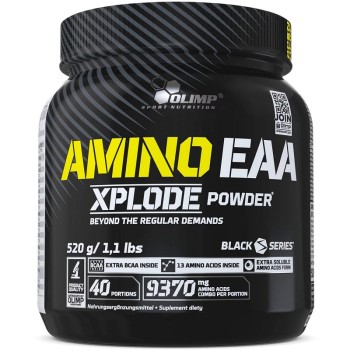
With more intense fasted sessions - strength or HIIT - you may notice a drop in performance, especially at the start. EAA amino acids before training can protect muscle tissue without significantly breaking the fast.
If you train twice a day or participate in endurance sports - strict intermittent fasting is probably not appropriate. The fuel demand is too high.
Frequently Asked Questions
Can you drink coffee during fasting?
Black coffee without additives does not break a fast. It suppresses appetite and helps many people get through the morning more easily. Coffee with milk, sugar or fat, however, contains calories and technically breaks the fast.
Will I lose muscle with intermittent fasting?
With a 16-hour fast and sufficient protein intake within the eating window - unlikely. The risk increases with very prolonged fasting (over 24 hours) or chronically low protein intake. Around 1.6 g of protein per kilogram of body weight per day is a good safeguard.
Is intermittent fasting better than a regular diet?
At equal caloric intake - no. Studies show no significant difference in weight loss. The advantage is psychological: for many people it is a simpler mechanism for maintaining a deficit. If your usual diet works for you - there is no need to switch.
Can I exercise while fasting?
Yes - with moderate exercise it works well. With more intense sessions you may experience a temporary drop in performance. If you feel unwell, train closer to your eating window or add EAAs before the session.
Is it suitable for women?
Women may respond more sensitively to stricter protocols, especially under high stress or intense training. The 14:10 method or a flexible 16:8 is a safer starting point. If you experience irregular cycles or hormonal imbalance - consult a doctor before starting.
Intermittent fasting is a tool. Not magic, not a universal answer. For people who benefit more from structure than from restrictions - it can be a very effective long-term approach. For people in whom fasting triggers compensatory overeating or anxiety - another solution will work better.
If you decide to try it, browse the proteins and amino acids in our store - the two supplements that require the most attention under an intermittent fasting regimen.
This information is for informational purposes only and does not replace consultation with a specialist. Results vary depending on individual characteristics, diet and lifestyle.
Related Products