

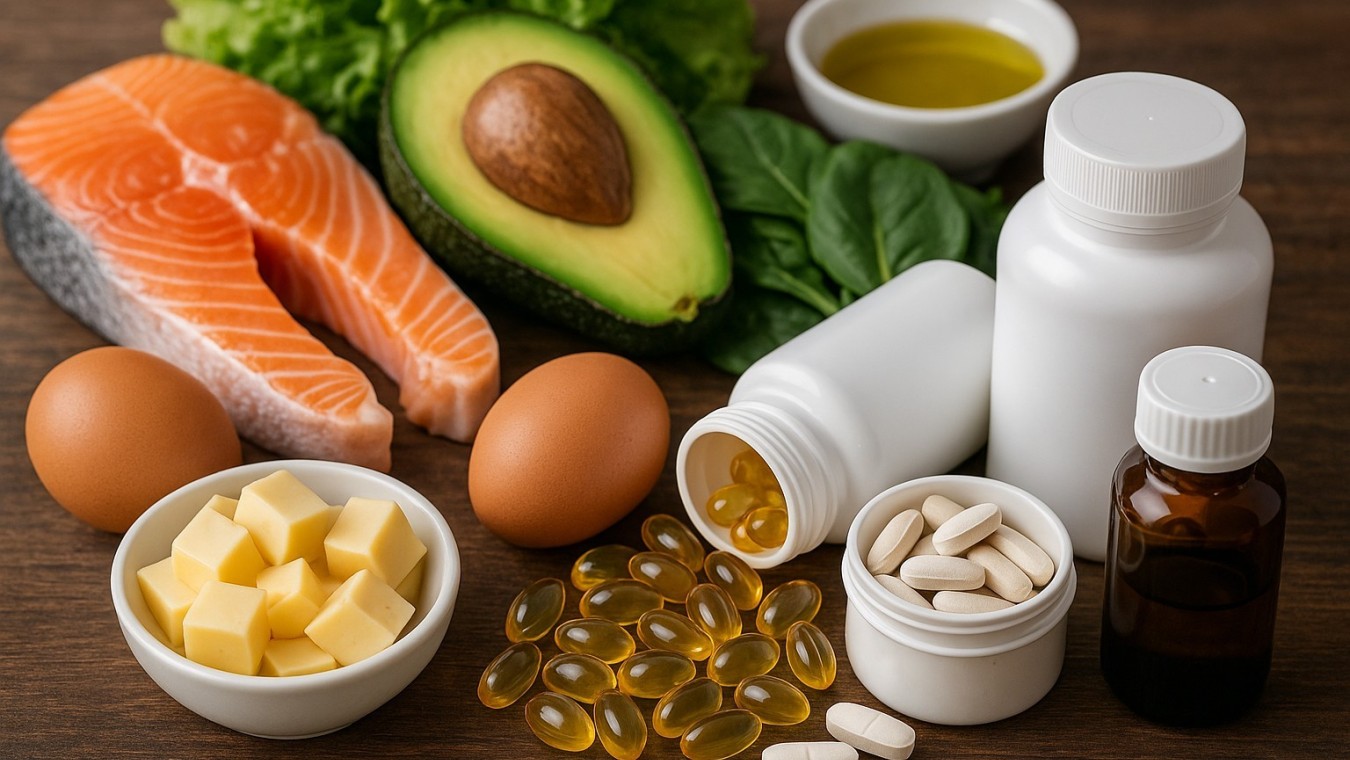
What is the keto diet (in brief)?
The ketogenic diet is a way of eating with very low carbohydrate intake, moderate protein, and high fat, aiming to switch the body into ketosis—using fat as the primary energy source instead of glucose. In practice, this means limiting net carbs usually to about 20–50 g/day, prioritizing quality fats (olive oil, avocado, nuts, butter/ghee, fatty fish) and getting enough—but not excessive—protein.
- Expected benefits: steadier energy and appetite, easier calorie control, potentially faster fat loss, fewer blood sugar “crashes”.
- First days: headaches, fatigue and cramps are possible (the so-called “keto flu”) due to loss of electrolytes and water—this is why electrolytes, adequate water and sleep matter.
- Who should not start without a doctor: pregnant/breastfeeding women, people with type 1 diabetes, severe liver/kidney disease, or those taking medications that affect electrolyte balance.
- Practical start: plan a menu of whole, minimally processed foods; add MCT for a smoother transition, fiber for comfort, and omega-3 for lipid balance.
Tip: track measurements, strength and overall well-being; ketone testing is optional. Consult a professional if you have underlying conditions.
Why the “keto + supplements” combo matters
The ketogenic diet (keto) is very low in carbs, moderate in protein and high in fat, aiming to shift the body into ketosis—using fat as the main fuel. The transition often brings energy fluctuations, mineral loss and the so-called “keto flu”. The right supplements can smooth adaptation, curb appetite, support electrolyte balance and improve training performance.
Important: Educational content only—this is not medical advice. Consult your doctor/dietitian, especially with chronic conditions, pregnancy/breastfeeding, or when taking medication.
1) Electrolytes: sodium, potassium, magnesium
Low carbs reduce insulin and increase excretion of water and electrolytes. This can lead to fatigue, headaches, cramps and reduced endurance.
- Sodium (Na): higher daily intake is often needed during keto adaptation. Practical approach: add a pinch of salt to water or use sugar-free electrolyte mixes.
- Potassium (K): supports neuro-muscular function. Be careful with supplements if you take diuretics/ACE inhibitors; prefer small divided doses or food sources (leafy greens, avocado).
- Magnesium (Mg): helps reduce cramps and supports sleep. Popular forms: citrate, glycinate, malate.
Practical guidelines (general, not medical prescriptions): magnesium 200–400 mg elemental Mg/day; electrolyte powders often provide ~800–1000 mg Na and 200–400 mg K per serving—adjust to needs and sweating.
2) MCT oil (medium-chain triglycerides)
MCTs absorb quickly and increase ketones, which may reduce appetite and provide “clean” brain energy.
- Start with 1 tsp (5 ml) with food and gradually increase to 1–2 tbsp (15–30 ml) daily to avoid GI upset.
- Choose C8/C10 MCT for better tolerance.
3) Omega-3 (EPA/DHA)
Omega-3 fatty acids support lipid profile, an anti-inflammatory balance and brain function—important on a high-fat diet.
- Good practice: 1–2 g total EPA+DHA daily from fish or a concentrated supplement with verified purity.
4) Fiber and digestive health
Restricting fruits/grains can drop fiber intake. Add psyllium (5–10 g/day with plenty of water) or inulin/active prebiotic formulas to support the microbiome, regularity and satiety.
5) Vitamin D3 + K2 and mineral support
With limited sun exposure, vitamin D is key for immunity and bone health; K2 helps direct calcium. Consider zinc if your dietary intake is low.
6) Creatine monohydrate
Regardless of diet, creatine supports strength and power. It’s suitable on keto, especially if you train strength or MMA.
- Standard dose: 3–5 g daily, no loading phase needed.
7) Exogenous ketones (BHB)
May temporarily raise ketone levels and provide short-term energy. They’re not a magic fat-loss fix and don’t replace calorie balance and a quality diet.
- Useful pre-workout or for mental tasks if tolerated well. Possible GI discomfort or aftertaste.
Example “keto start” stack (adaptation → sustainability)
- Electrolyte complex (Na/K/Mg)—daily for the first 2–3 weeks.
- MCT oil—morning with coffee/breakfast.
- Omega-3—with a main meal.
- Fiber (psyllium)—afternoon with 300–400 ml water.
- Creatine—daily, regardless of training.
Q&A
When should I start electrolytes?
From day 1 of keto. This significantly reduces the risk of “keto flu” (headaches, fatigue, cramps).
Do I need exogenous ketones to get into ketosis?
No. They may support energy/focus, but real ketosis comes from low carbs, adequate protein and calorie control.
Can I take creatine on keto?
Yes. Creatine doesn’t interfere with ketosis and often improves strength during a deficit.
How do I track progress?
Combine measurements (waist/hips), strength in key lifts, daily energy and, if desired, ketone testing (blood/breath/urine).
Comparisons / alternatives
- Keto vs low-carb: Keto is stricter (typically <30–50 g net carbs/day). If flexibility is key, low-carb may be easier to maintain.
- MCT vs exogenous ketones: MCTs stimulate endogenous ketones and provide calories; exogenous ketones give a direct BHB “boost”, short-lived and not a diet substitute.
- Keto vs Mediterranean: Mediterranean is more moderate and rich in vegetables, legumes and whole grains; often more sustainable long-term for some people.
Keto can be an effective tool for appetite control, fat reduction and mental clarity. To ease adaptation and sustain results, focus on the basics: electrolytes, MCT, omega-3, fiber and creatine. Choose products with transparent labels, clinically relevant doses and proven origin.