

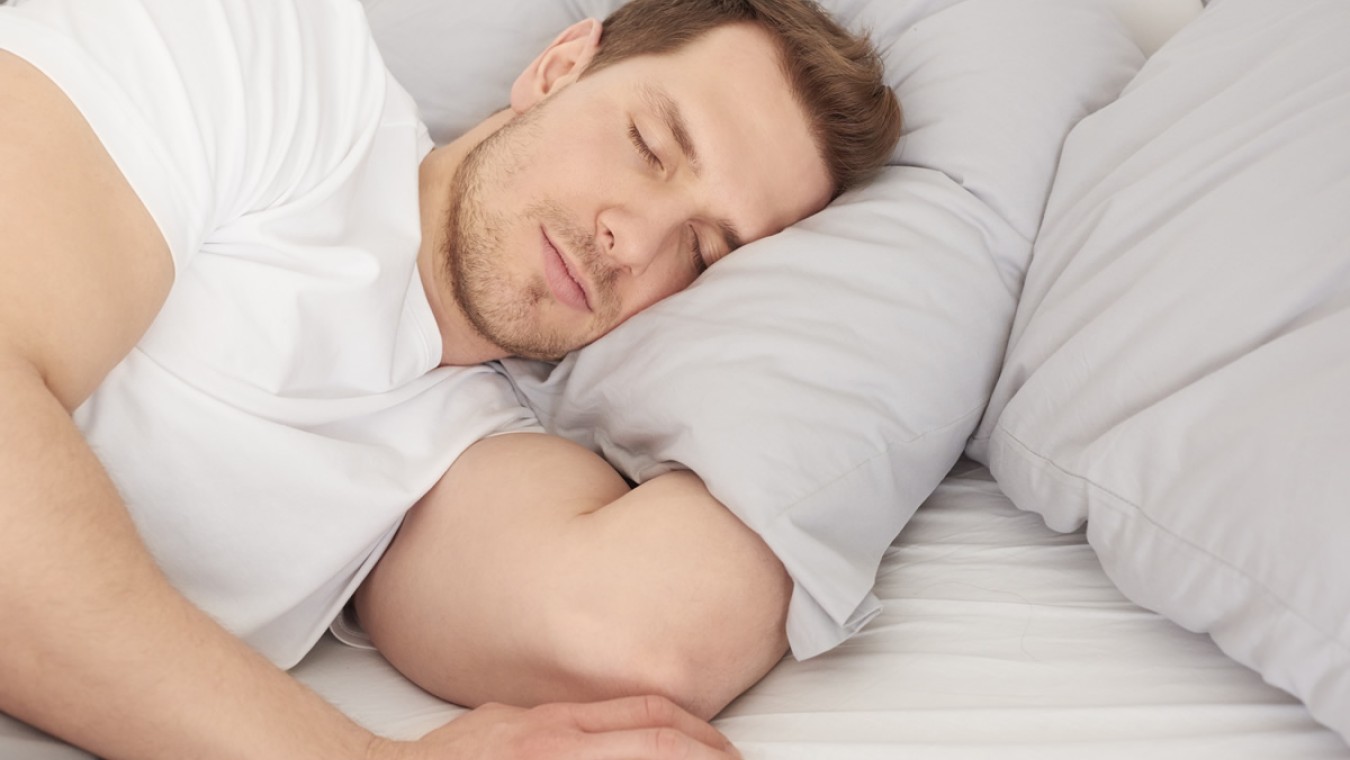
Training and nutrition are the foundation of any good fitness program. But there is a third, often overlooked factor that can make the difference between average results and an impressive transformation — sleep.
According to scientific research, lack of sleep can reduce muscle growth by up to 60%, even with regular training and sufficient protein intake. The body simply doesn’t have the opportunity to recover.
Key Characteristics and Information
Physiology of Sleep and Muscle Growth
-
Growth hormone (HGH): 70% of daily HGH secretion occurs during deep sleep. This hormone is crucial for building muscle and repairing tissues.
-
Testosterone: A University of Chicago study (Penev, 2010) showed that men who slept only 5 hours per night for one week had 10–15% lower testosterone levels. This directly affects strength and recovery.
-
Protein synthesis: Sleep activates the process of synthesizing new muscle fibers, which is not possible under chronic lack of rest.
Scientific Findings
-
In the Journal of Strength and Conditioning Research (2011), athletes who slept 8+ hours showed 20% faster strength recovery after heavy training compared to those sleeping under 6 hours.
-
A study in basketball players (Mah et al., Stanford University, 2011) found that extending sleep to 10 hours per night improved sprint speed, shooting accuracy, and perceived energy.
How Much Sleep Is Needed?
-
Recreational fitness enthusiasts: 7–9 hours of quality sleep
-
Strength athletes / bodybuilders: often 8–10 hours
-
If you train twice a day: a short afternoon nap (20–30 minutes) can enhance recovery
Questions and Answers
Is it possible to compensate for lack of sleep during the week by sleeping more on the weekend?
Not completely. The body recovers partially, but chronic sleep loss accumulates a “sleep debt” that affects hormones and the immune system.
How quickly do the effects of insufficient sleep appear?
After just 2–3 nights with 4–5 hours of sleep, cortisol levels rise and protein synthesis decreases. This means slower progress and a higher risk of injury.
Which supplements help with sleep and recovery?
Magnesium (especially magnesium bisglycinate) – relaxes the muscles and nervous system
ZMA (zinc, magnesium, vitamin B6) – supports testosterone and sleep
Melatonin – regulates the circadian rhythm; useful with time-zone changes or irregular schedules
Ashwagandha – reduces cortisol and improves sleep quality
Glycine – an amino acid shown to improve sleep depth
Comparisons / Alternatives
-
Caffeine after 5:00 p.m. → disrupts deep sleep (even if you fall asleep, quality is poor).
-
Alcohol → may help you fall asleep but reduces the REM phase, which impairs cognitive and muscular recovery.
-
Natural techniques: evening wind-down routine, limiting blue light (phone/laptop), cooler bedroom (around 18–20°C).
Sleep is more than rest — it’s the most powerful natural anabolic stimulus we have. Without it, even the best training and nutrition program won’t deliver its full results.
Start tonight: establish a wind-down routine, eliminate distracting light, and consider supplements for optimal sleep and recovery.
➡️ Check out our selection of sleep and recovery supplements and give your body what it needs most — real rest.