Muscle cramps at 2 AM. Restless sleep after a tough workout. Fatigue that doesn't go away even after rest. If this sounds familiar, you're probably not alone – and your body is likely signaling something very specific.
One of the most common yet underestimated deficiencies among active people is a lack of magnesium. In this article, you'll learn why it's so important, how it affects your workouts and sleep, and how to choose the right form for your goals.
What is magnesium and why is it important for athletes?
Magnesium is an essential mineral involved in over 300 enzymatic reactions in the human body. It is the fourth most abundant mineral in the body and plays a key role in:
- energy production (ATP) – literally the fuel for every muscle contraction;
- protein synthesis – the process by which muscles are built and repaired;
- maintaining electrolyte balance – critical during sweating and dehydration;
- regulating the nervous system – controls the body's response to stress and fatigue.
For athletes, magnesium is the "silent worker" behind the scenes. Without it, muscles cannot relax properly after contraction, and the nervous system remains constantly on alert – which interferes with sleep and slows recovery.
How does magnesium work during physical activity?
During a workout, the body depletes magnesium much faster than usual. Sweating removes it directly from the body, and metabolic processes during intense effort require it in greater quantities.
Magnesium performs several key functions during and after training:
- Transports blood glucose to muscle cells, providing them with fuel during exercise.
- Helps clear lactate (lactic acid), which builds up at high intensity and causes burning and fatigue in the muscles.
- Regulates calcium channels in muscle cells – calcium triggers contraction, while magnesium "turns it off" and allows the muscle to relax.
Simply put: without enough magnesium, your body produces less energy, "clears" metabolic waste products more slowly, and has difficulty switching to rest mode.
Benefits of magnesium for athletes
1. Preventing muscle cramps and spasms
This is probably the most well-known reason why athletes turn to magnesium. When its levels are low, calcium remains "locked" in muscle cells, leading to involuntary and painful spasms – especially at night or during heavy sets.
Optimal magnesium intake helps the muscle fully relax after each effort, reducing the risk of cramps.
2. Improving sleep quality
Sleep is the most important "weapon" for muscle growth and recovery – and this is where magnesium plays an underestimated role. It helps regulate neurotransmitters (GABA) that calm the nervous system and prepare the body for sleep. It activates the parasympathetic nervous system – known as "rest and digest" mode – and lowers cortisol levels before bedtime.
The result: faster falling asleep, deeper sleep, and better morning feeling.
3. Stress and cortisol control
Every workout is a form of physical stress that raises cortisol – the hormone responsible for mobilizing energy. However, chronically elevated levels suppress muscle growth and worsen sleep. Magnesium helps normalize cortisol faster after exercise, allowing your body to switch to anabolic mode sooner.
4. Support for bones and joints
Magnesium works in synergy with calcium and vitamin D to maintain bone density. For athletes with high training volumes, healthy bones and joints are not just desirable – they are mandatory for longevity in sport.
5. Improving insulin sensitivity
Magnesium is involved in the mechanism of insulin action – the hormone responsible for transporting nutrients (including proteins and carbohydrates) to muscle cells. Better insulin sensitivity means more efficient utilization of the food you eat around your workout.
Magnesium deficiency: how to recognize the symptoms?
Many active people live with mild magnesium deficiency without realizing it. Here are the most common signs:
- Frequent muscle cramps or twitches (especially in the calves and feet);
- Difficulty falling asleep or restless sleep;
- Chronic fatigue that doesn't improve with rest;
- Irritability and anxiety for no apparent reason;
- Headaches (especially in people prone to migraines);
- Decreased athletic performance despite regular training.
Important note: These symptoms can have multiple causes. If you experience them persistently, consult a doctor before resorting to supplements.
Forms of magnesium: which is best for athletes?
Not all magnesium supplements are created equal. Different forms have different bioavailability (absorption rate) and different effects on the body.
Magnesium bisglycinate
Bound to the amino acid glycine, this form is excellently absorbed and extremely gentle on the stomach. Glycine itself has a calming effect on the nervous system, making bisglycinate the best choice for improving sleep and reducing stress. Recommended for people with sensitive stomachs.
Magnesium citrate
Bound to citric acid, citrate has high bioavailability and is widely available. It is suitable for daily intake and general supplementation. At higher doses, it may have a mild laxative effect in some people.
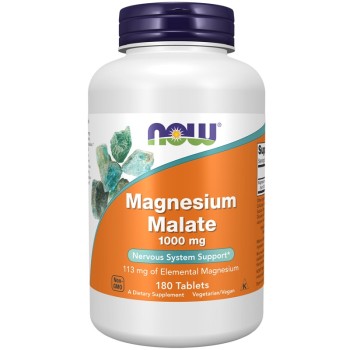
Magnesium malate
Bound to malic acid, malate is directly involved in ATP production (cellular energy). Recommended for people seeking increased energy and reduced muscle fatigue – especially during prolonged workouts.
Magnesium oxide
Cheap and widely available, but with low bioavailability (~4%). Easily causes laxative effect. Not recommended for athletes seeking real benefit from the supplement.
Magnesium taurate
Combines magnesium with the amino acid taurine. Suitable for supporting cardiovascular function and the nervous system. An interesting choice for athletes with high volumes of cardio training.
When and how to take magnesium?
Optimal timing
- Evening, 30–60 minutes before sleep – ideal for bisglycinate and citrate when aiming to improve sleep and relaxation;
- Around workout (before or after) – when aiming to reduce cramps and support muscle recovery;
- Morning – for malate, if the goal is increased daytime energy.
Dosage
General guidelines suggest around 300–400 mg of elemental magnesium daily for adults, with athletes potentially needing more due to losses through sweat. Specific dosage depends on the form, weight, and individual needs – follow the instructions for the specific product and consult a specialist if necessary.
Combining magnesium with other supplements
Magnesium fits excellently into various combinations:
- Magnesium + Zinc + Vitamin B6 (ZMA): The classic evening formula for athletes. Supports hormonal balance, sleep, and muscle recovery.
- Magnesium + Vitamin D3: Magnesium is necessary for proper vitamin D metabolism – without it, D3 cannot be fully activated in the body.
- Magnesium + Ashwagandha: A combination for managing stress and cortisol – suitable for periods of intense training volume.
- Magnesium + BCAA/EAA: Taken together around training, they can support muscle recovery and reduce cramps.
Possible side effects and contraindications
Magnesium is safe at moderate intake, but it's good to know the following:
- Laxative effect – at higher doses, especially with oxide and citrate. Reduce the dose or switch to bisglycinate if you experience discomfort.
- Interaction with medications – magnesium can interact with antibiotics, blood pressure medications, and diuretics. If you take medications, consult a doctor.
- Kidney problems – people with kidney disease must consult a doctor, as the kidneys are responsible for excreting excess magnesium.
Conclusion
Magnesium is not just "another supplement" – it is a fundamental mineral without which quality training, good recovery, and restful sleep are significantly more difficult. With the right choice of form and regular intake, many athletes notice fewer cramps, deeper sleep, and better overall well-being.
If you want to try it, choose the form that matches your goal – bisglycinate for sleep and stress, citrate for daily supplementation, malate for energy. And don't forget: supplements work best in combination with balanced nutrition and regular physical activity.
Check out our magnesium supplement offerings at fitnesdobavki.bg and choose the form that best fits your goals and training style.
This information is for informational purposes and does not replace consultation with a doctor or dietitian. Results may vary depending on individual characteristics, nutrition, and lifestyle. Dietary supplements should not be used as a substitute for a varied and balanced diet.
Related Products