

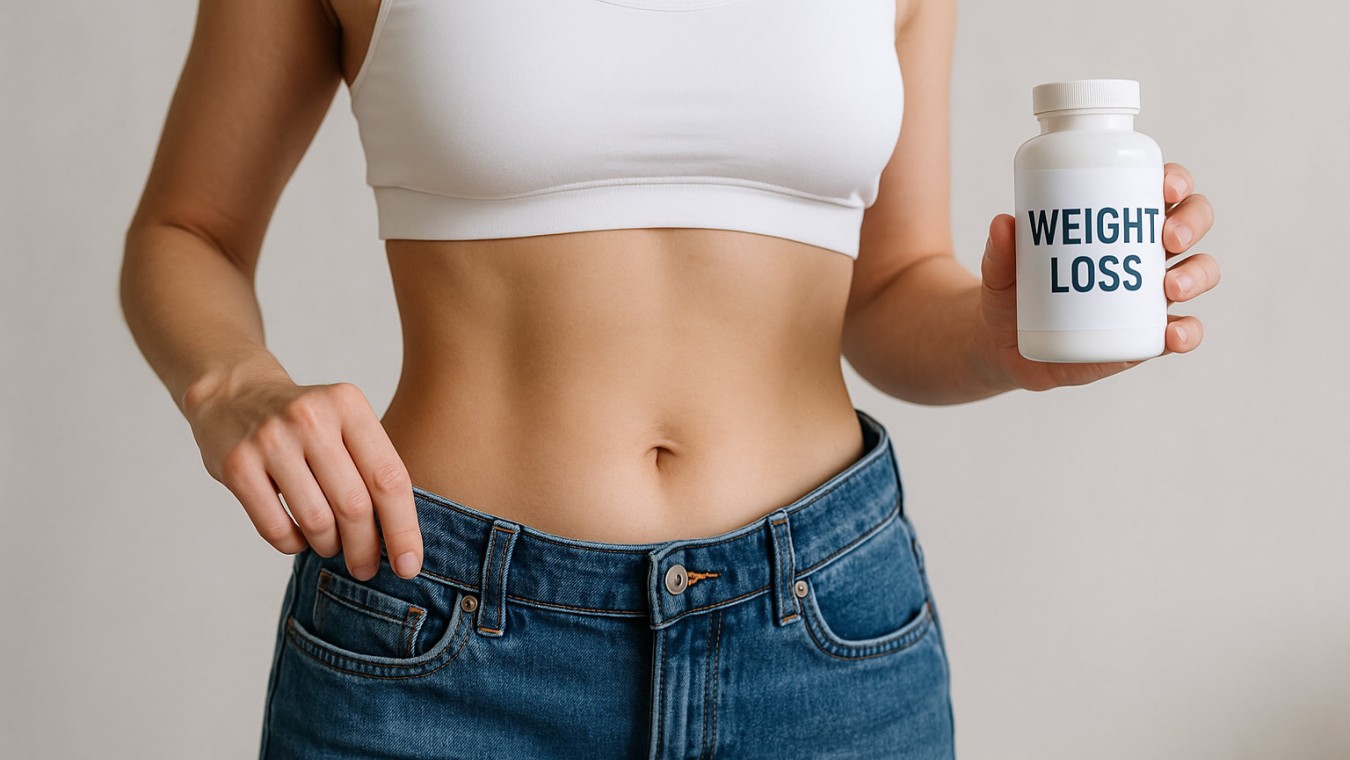
Excess body weight and metabolic imbalance are among the leading health challenges in modern society. Many people look for a "quick" way to lose weight: diets, workouts, programs, and — not least — nutritional supplements. The market is full of products promising "fat burning," "carb blocking," or "appetite control." But how many of these supplements truly deliver results, and at what cost — both financially and health-wise?
Metabolic stimulants and thermogenics
Caffeine and Green Tea (EGCG) – a combination proven to enhance thermogenesis and fat oxidation.
Research: A meta-analysis of 11 clinical studies showed that green tea supports a weight loss of about 1.3 kg within 12 weeks under calorie deficit conditions.
Capsaicin (chili pepper extract) – activates brown adipose tissue and increases energy expenditure.
Yohimbine – a natural alkaloid used in some professional formulations but requires caution for people with high blood pressure.
L-Carnitine, CLA and Omega-3 Fatty Acids
L-Carnitine – improves the transport of fats to mitochondria, especially in active individuals.
CLA (conjugated linoleic acid) – supports metabolism and helps shape lean muscle mass.
Omega-3 (EPA/DHA) – does not directly "burn" fat but improves insulin sensitivity and reduces inflammation, which often hinders weight loss.
Research: The Journal of the International Society of Sports Nutrition (2020) confirmed that Omega-3 enhances fat utilization as energy during aerobic training.
Fibers and Probiotics for Satiety and a Healthy Microbiome
Glucomannan (konjac root) – forms a gel in the stomach, delays gastric emptying, and promotes long-lasting fullness.
The European Food Safety Authority (EFSA) officially recognizes glucomannan as an ingredient supporting weight reduction with a daily intake of 3 g combined with calorie deficit.
Psyllium (Plantago ovata) – a fiber that regulates digestion and appetite.
Probiotics (Lactobacillus gasseri, Bifidobacterium breve) – proven to influence fat metabolism.
Study (Br J Nutr 2013): 12-week intake of L. gasseri led to an average reduction of 4.6% in visceral fat.
Adaptogens and Herbs Reducing Stress and Hormonal Imbalance
Chronic stress raises cortisol levels, which block fat burning and increase abdominal fat storage.
Ashwagandha (Withania somnifera) – reduces cortisol and improves sleep.
Journal of Evidence-Based Complementary Medicine (2019): 8-week supplementation led to an 11% lower cortisol level and an average weight loss of ~3 kg.
Rhodiola Rosea – improves endurance and stress resistance.
Griffonia simplicifolia (source of 5-HTP) – increases serotonin levels, which may help reduce emotional eating.
Minerals and Vitamins Related to Metabolism
Zinc and Chromium Picolinate – help regulate appetite and insulin sensitivity.
Magnesium – improves sleep and muscle function, essential for active individuals.
B Vitamins – support energy metabolism and the conversion of nutrients into energy.
Additional Factors Supporting Weight Loss
1. Sleep – The Underrated Factor
Chronic lack of sleep increases ghrelin (the hunger hormone) and decreases leptin (the satiety hormone).
Research: Sleep Journal (2010) showed that people sleeping less than 6 hours gained 2.5 kg more over six months compared to those sleeping over 7 hours.
2. Hydration
Dehydration is often mistaken for hunger.
Drinking 500 ml of water before meals can reduce calorie intake by 13% (Obesity Journal, 2015).
3. Stress Management
Yoga, breathing exercises, and adaptogens like ashwagandha and rhodiola lower cortisol and support fat burning.
4. Movement and NEAT
Not only exercise but also non-exercise movement — walking, climbing stairs, standing — can increase daily energy expenditure by 200–400 kcal effortlessly.
5. Eating Habits
Eat more protein (1.6–2.2 g/kg body weight daily) – the most satiating macronutrient.
Include healthy fats (omega-3, avocado, nuts) and slow carbs (oats, quinoa, buckwheat).
Try intermittent fasting – a method supported by multiple meta-analyses for improving insulin sensitivity and appetite control.
Conclusion: Supplements can have a modest effect under certain conditions but are not a magic solution. They must always be combined with diet, exercise, and a healthy lifestyle.